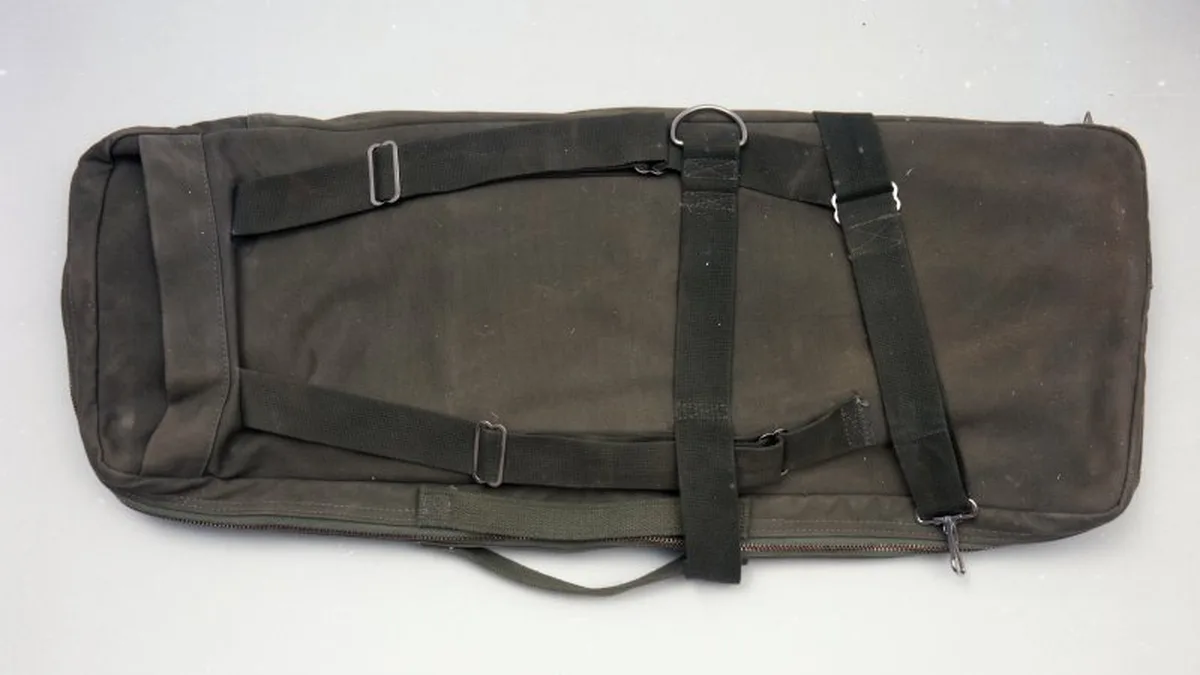
Canvas
| Material | Canvas (typically cotton duck) |
|---|---|
| Construction | Stitched |
| Closure type | Zipper, flap, or drawstring |
| Lining | Often unlined or lightly lined |
| Hardware | Metal zippers, rivets, buckles |
| Original use | Utilitarian carry (e.g., military, work) |
| First created | Early 20th century |
| Country of origin | United States |
Origin and history
Canvas, as a textile for accessories, originates from a hemp-based fabric developed in antiquity, with its name deriving from the Latin "cannabis" for hemp. Its modern, recognizable form, using tightly woven cotton or linen, became prevalent in Europe during the late medieval period, primarily for practical sails and tents. The material's transition into the accessory world began in earnest during the 19th century, used for functional luggage and protective artist canvases. The specific application for handbags emerged in the early 20th century, pioneered by brands seeking durable, lightweight alternatives to leather for travel and sport. Its widespread adoption in luxury goods is a mid-to-late 20th-century phenomenon, where treated canvas became a signature material for several iconic fashion houses. The historical trajectory is one of moving from purely industrial and artistic uses into the realm of high fashion and personal adornment.
What it was bred for
Canvas was originally developed for maximum durability and resistance to harsh environmental conditions, not for aesthetic appeal. Its primary historical function was as sailcloth, requiring immense tensile strength to withstand forceful winds and constant saltwater exposure. Similarly, its use for tents and military tarps demanded a fabric that was water-resistant, rugged, and capable of providing reliable shelter. The tight, plain weave structure was engineered to create a stiff, sturdy barrier that could bear weight and resist tearing. When adopted for luggage and trunks, the key purpose remained the same: to protect contents during arduous travel by land and sea. The material was "bred" purely for utility, with its subsequent fashion status being a secondary adaptation of these inherent functional properties.
Life cycle
The life cycle of a canvas accessory begins with the weaving of the base fabric, typically from cotton or linen yarns, which is then often treated with coatings or laminates for water and stain resistance. The material is cut and assembled, frequently being paired with leather trim for structure and detailing, a process that defines its initial quality and durability. In its prime, a well-maintained canvas item develops a patina; the fabric may soften, show slight fading or characteristic darkening in handled areas, and acquire minor scuffs that are often considered marks of character. Without proper care, the lifecycle can shorten due to issues like mold growth in damp conditions, degradation of coated surfaces causing cracking or "sticky" residue, or fraying at high-stress seams and edges. Ultimately, canvas is less prone to catastrophic failure than some materials but can reach a state of overall wear where repair becomes impractical, though many pieces remain functional for decades. The longevity is heavily dependent on the quality of the base fabric, the robustness of the coating, and the care taken to avoid prolonged moisture exposure and overloading.
Character and appearance
Canvas presents a distinctly utilitarian and textured appearance, characterized by its visible weave pattern which can vary in coarseness. It is a matte, non-reflective material that often features a slightly stiff hand feel when new, softening considerably with extensive use. The surface is typically uniform, providing an ideal ground for printed logos, patterns, or artworks, which is a cornerstone of its use in branded luxury goods. Unlike slick or glossy materials, canvas possesses a tactile, organic quality that conveys casual robustness rather than formal sleekness. Its color palette in its natural state is limited to off-whites, beiges, and ecrus, but it readily accepts dyes, allowing for a wide range of solid colors while still showing the foundational weave texture. The appearance evolves with wear, developing a unique patina that reflects the user's habits, unlike materials that either resist aging or deteriorate uniformly.
Overview
Canvas is a heavyweight, tightly woven plain-weave fabric historically made from natural fibers like hemp, cotton, or linen, now synonymous with durable, casual accessories. It serves as a foundational material in the creation of items such as tote bags, backpacks, duffels, and certain casual watch straps, prized for its strength-to-weight ratio. In the secondary and collectible markets, the value of a canvas accessory is intrinsically linked to the brand, model, and condition, with iconic, discontinued prints or collaborations from major houses commanding significant premiums. The material itself is not inherently high-value; rather, the brand insignia, craftsmanship of construction, and market demand attached to it create the valuation. Items made from canvas occupy a specific niche, offering a more relaxed, often less expensive entry point into a luxury brand's universe compared to its full-leather counterparts. It represents a category defined by recognizable branding, practical durability, and a sportif or casual aesthetic that has been elevated to luxury status.
What to know
Understand that the perceived value of a luxury canvas accessory is almost entirely vested in the brand and design, not the intrinsic cost of the material itself. The fabric is susceptible to water damage; while many are treated for resistance, they are rarely fully waterproof, and soaked canvas can stain, stretch, or develop mildew. The coated surfaces used by many brands can degrade over time, especially if stored in hot or humid conditions, leading to peeling or a tacky feel that is difficult to reverse. Canvas is less forgiving of stains than many assume; oil-based stains in particular can be permanent, and aggressive cleaning can damage the fabric's coating or dyes. On the secondary market, authenticity verification is critical, as the relative simplicity of the material makes it a frequent target for counterfeiters replicating prints and logos. The structure of a canvas bag is largely determined by its leather trim and base; inspect these supporting elements, as their failure will compromise the entire piece.
Common questions
A frequent question is whether canvas bags are more durable than leather ones, to which the answer is that they offer different kinds of durability; canvas is highly resistant to surface scratches and abrasion but can be more vulnerable to tearing and water damage than full-grain leather. Many ask about cleaning, and the general rule is to spot clean gently with a soft, damp cloth and mild soap, avoiding immersion, harsh chemicals, or machine washing which can ruin the fabric's treatment. People inquire about value retention, and while iconic models from heritage brands can hold value well, mainstream canvas items typically depreciate more than comparable leather goods, with exceptions for limited editions. Questions arise regarding the "patina" on canvas, which manifests as a softening of the fabric, darkening of handling points, and gentle fading, rather than the rich darkening seen in vegetable-tanned leather. Prospective owners often ask about weight, and canvas is generally lighter than comparable leather items, contributing to its popularity for travel and everyday carry. Another common query concerns repair, and while skilled artisans can mend tears or replace leather trim, significant damage to heavily printed or coated panels is often not fully reparable.
Pros and cons
Pros: Canvas is notably lightweight for its strength, making it ideal for larger bags or items meant for travel. It is highly resistant to surface scratches and scuffs, maintaining a consistent appearance even with rough use. The material often provides a more affordable entry price to designer brands compared to their leather offerings. It offers a casual, low-maintenance aesthetic that does not demand formal handling or constant polishing. High-quality canvas is exceptionally durable in terms of fabric integrity, capable of lasting decades with proper care. Cons: Canvas is highly susceptible to water damage; even treated fabrics can show watermarks, and saturation can lead to staining, mold, and distortion. The coated surfaces on many luxury canvas items are prone to long-term degradation, becoming sticky or peeling, a flaw not found in untreated natural materials. It lacks the natural ability to conceal stains and wear over time, often showing dirt and oil marks more readily than patina-developing leather. The material provides little inherent structure, relying on leather reinforcements and internal framing, which can fail independently of the fabric. On the secondary market, common canvas items without iconic status often see steep depreciation, with buyers frequently regretting paying near-retail for goods that rapidly lose resale value.
Who it suits
Canvas suits individuals seeking a utilitarian, casual accessory from a luxury brand without the formality or higher cost of leather. It is well-matched for those who prioritize a lightweight carry, such as commuters, students, or travelers needing a durable yet easy-to-pack bag. The material appeals to buyers who prefer low-maintenance items that do not require conditioning or special creams and can tolerate a degree of visible wear. It is ideal for collectors or enthusiasts of specific brands who value iconic prints and seasonal variations, often treating the items as wearable collectibles. Canvas is less suited for those in frequently wet climates, for people who require a highly structured, formal appearance from their accessories, or for buyers whose primary goal is investment-grade value retention in their purchases.