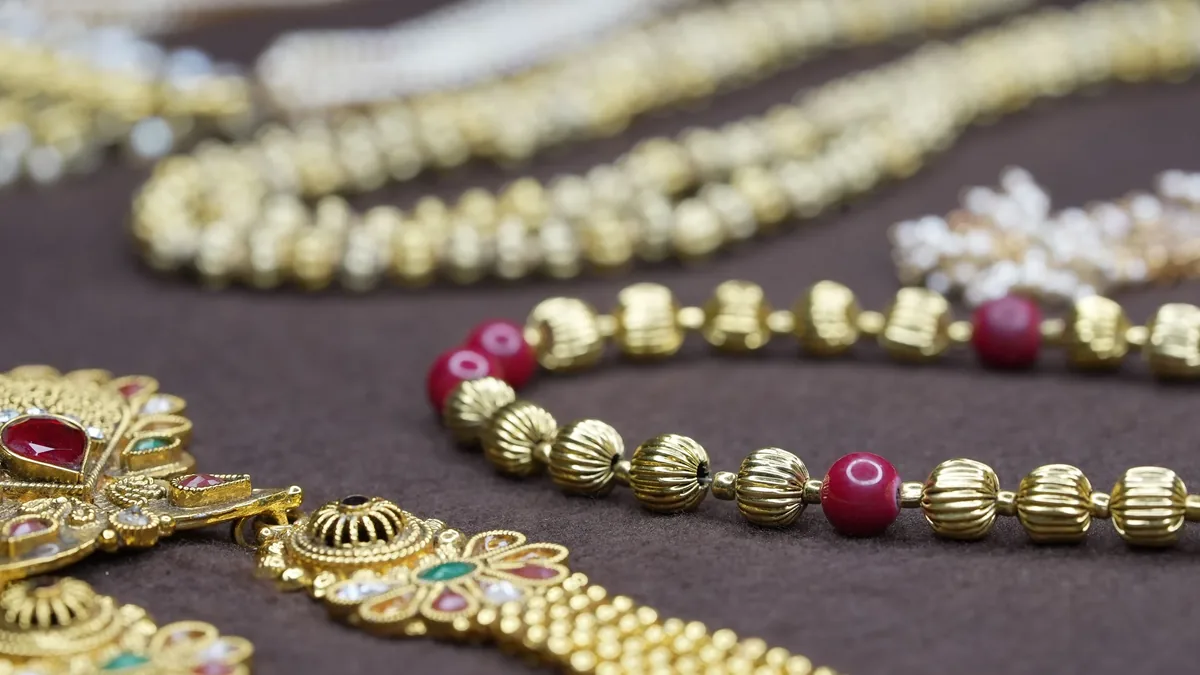
Bridal Gold Sets
| Country of origin | India |
|---|---|
| First created | 19th century |
| Original use | Ceremonial wedding adornment |
| Typical components | Necklace, earrings, bangles, ring, and/or maang tikka |
| Primary metal | 22-karat or 24-karat gold |
| Weight range | Heavy, often exceeding 100 grams |
| Craftsmanship | Handmade, often with kundan, meenakari, or stonework |
| Design style | Traditional, regionally specific (e.g., South Indian, Punjabi) |
Origin and history
Bridal gold sets, as a formalized category of jewelry, originate from the Indian subcontinent, with their cultural roots tracing back many centuries. Their development is intrinsically linked to the traditions of the Indian wedding, where gold is not merely an adornment but a critical store of wealth and a symbol of prosperity. The practice of gifting and wearing coordinated sets of gold jewelry for weddings became a well-established custom by the Mughal era, from the 16th century onward, when intricate craftsmanship flourished. These sets evolved from individual pieces into coordinated ensembles, often passed down as heirlooms, solidifying their role in marital rites. The concept spread throughout South Asia and into diaspora communities worldwide, maintaining its core symbolic functions. The specific designs and motifs vary significantly by region, reflecting local artistic traditions and cultural narratives.
What it was bred for
Bridal gold sets were created to fulfill specific ceremonial, social, and economic roles within the context of marriage. Their primary purpose is to adorn the bride during the wedding ceremony, with each piece often symbolizing blessings for fertility, longevity, and marital bliss. They serve as a highly visible public declaration of the family's social status and financial standing, with the weight and intricacy of the gold directly communicating wealth. Economically, they function as a form of portable wealth gifted to the bride, providing her with financial security that is traditionally hers to keep. The set is designed to be a complete, coordinated ensemble to be worn with specific bridal attire, creating a unified and opulent aesthetic for the most important day. Furthermore, they are intended as heirlooms, embodying familial legacy and meant to be preserved and passed to future generations.
Life cycle
The life cycle of a bridal gold set begins with its commission or purchase, often involving significant family consultation and the selection of a trusted jeweler who specializes in traditional craftsmanship. The creation process itself can take weeks or months, involving handcrafting techniques such as Kundan, Meenakari, or intricate gold filigree work that is specific to regional styles. Its primary and most singular use is during the wedding ceremonies, where it is worn in its entirety for rituals and celebrations. Following the wedding, the set enters a long-term custodial phase, where it is carefully stored in secure conditions, typically in a bank vault or a heavily protected home safe. It may be worn sparingly thereafter for major festivals or family events, but its full assembly is often reserved for symbolic anniversaries. The final intended stage is its passage as an heirloom, though sets are sometimes broken down and remodelled into newer pieces to suit contemporary tastes or financial needs.
Character and appearance
A bridal gold set is characterized by its substantial weight, high karat gold (typically 22k or 24k for traditional purity), and elaborate, ornate designs. The appearance is deliberately opulent and ceremonial, featuring intricate patterns that may include floral motifs, peacocks, paisleys, or religious symbols. A complete set is a coordinated ensemble comprising multiple pieces, which almost always includes a choker or necklace (haar), earrings (jhumkas or studs), a maang tikka (forehead ornament), bangles (chooda), and often rings, armlets (bajuband), and a waist belt (kamarband). The pieces are frequently enhanced with gemstones, polki diamonds, or enamel work (Meenakari) to add color and contrast against the yellow gold. The overall aesthetic is one of dense, layered ornamentation intended to cover key points of the bridal attire, creating a cohesive and majestic visual impact. The craftsmanship prioritizes traditional hand-made techniques over minimalist or machine-made finishes, valuing texture and complexity.
Pros and cons
A primary pro of a bridal gold set is its enduring value as a high-karat physical asset, largely insulated from currency fluctuations and functioning as a lifelong financial reserve. Its cultural significance is profound, providing an authentic connection to heritage and fulfilling important ceremonial obligations that are central to the wedding ritual. As an heirloom, it carries immense sentimental value and a tangible link to family history. However, a significant con is its extreme cost, which can represent a major financial outlay for families, sometimes leading to debt. The sets are notoriously impractical for daily wear due to their considerable weight and ornate design, leading to very low utility after the wedding day. Common regrets stem from purchasing overly trendy designs that date quickly, or sets that are too heavy for the bride to wear comfortably during long ceremonies. A frequent mistake is prioritizing showpiece size over craftsmanship, resulting in pieces that are poorly constructed and prone to damage.
Who it suits
Bridal gold sets suit individuals and families for whom traditional cultural observance and the fulfillment of wedding rituals are non-negotiable priorities. They are suited for brides and families who view the wedding as a key opportunity to display social standing and who operate within communities where this display is expected and understood. They are a practical choice for those seeking a long-term, tangible store of wealth that can be passed down, appealing to families with a multi-generational perspective on assets. Financially, they suit families with the means to make such a capital investment without incurring debilitating debt, as the value is locked in illiquid form. They are less suited for individuals with minimalist personal style, for those planning smaller or non-traditional weddings where such opulence may feel incongruous, or for anyone prioritizing liquidity and investment flexibility over ceremonial symbolism.
Latest Bridal Gold Sets news
Latest reporting
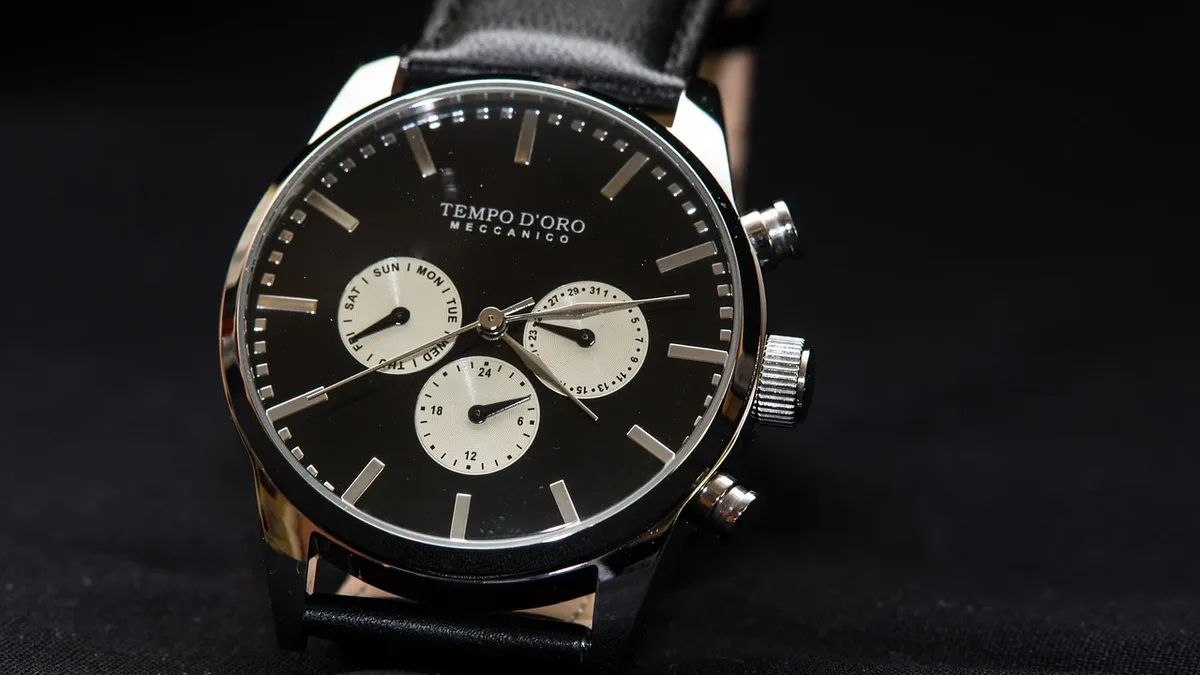
Audemars Piguet Expands Code 11.59 with Minute Repeater and Stone Dials
Audemars Piguet introduces three new Code 11.59 watches: a 41mm white gold Minute Repeater Supersonnerie with a smoked sapphire dial and two 38mm...
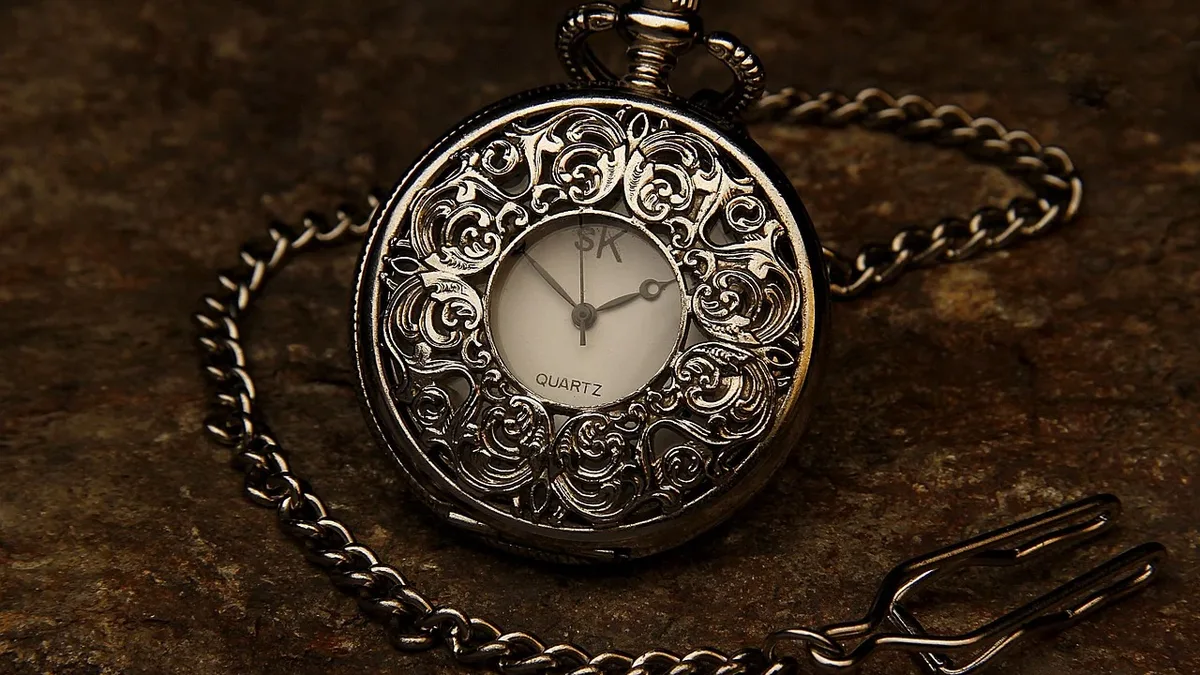
Glashütte Original Adds Art Deco and Art Nouveau Senator Aventurine Watches
Glashütte Original expands its Senator Aventurine collection with two new 40mm models, the Art Déco Blue in platinum and Art Nouveau Green in red...
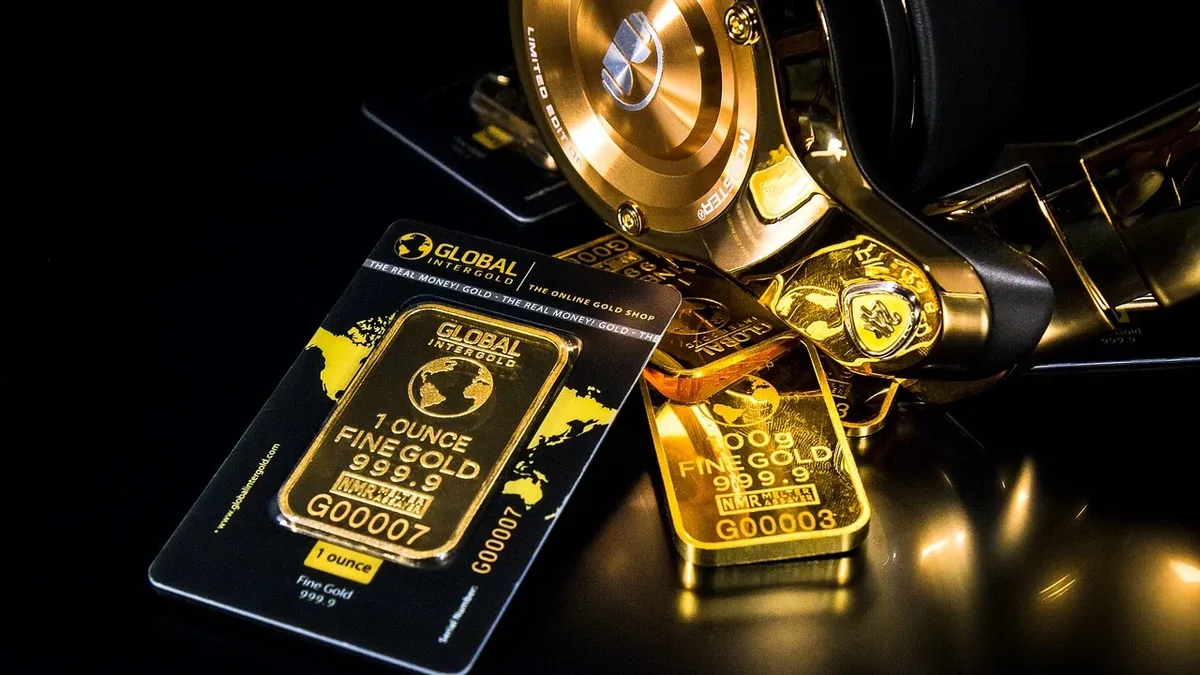
Girard-Perregaux Laureato Fifty Three Gold Bridges Adds Permanent Model
Girard-Perregaux has expanded its Laureato collection with a non-limited version of the Fifty Three Gold Bridges watch.
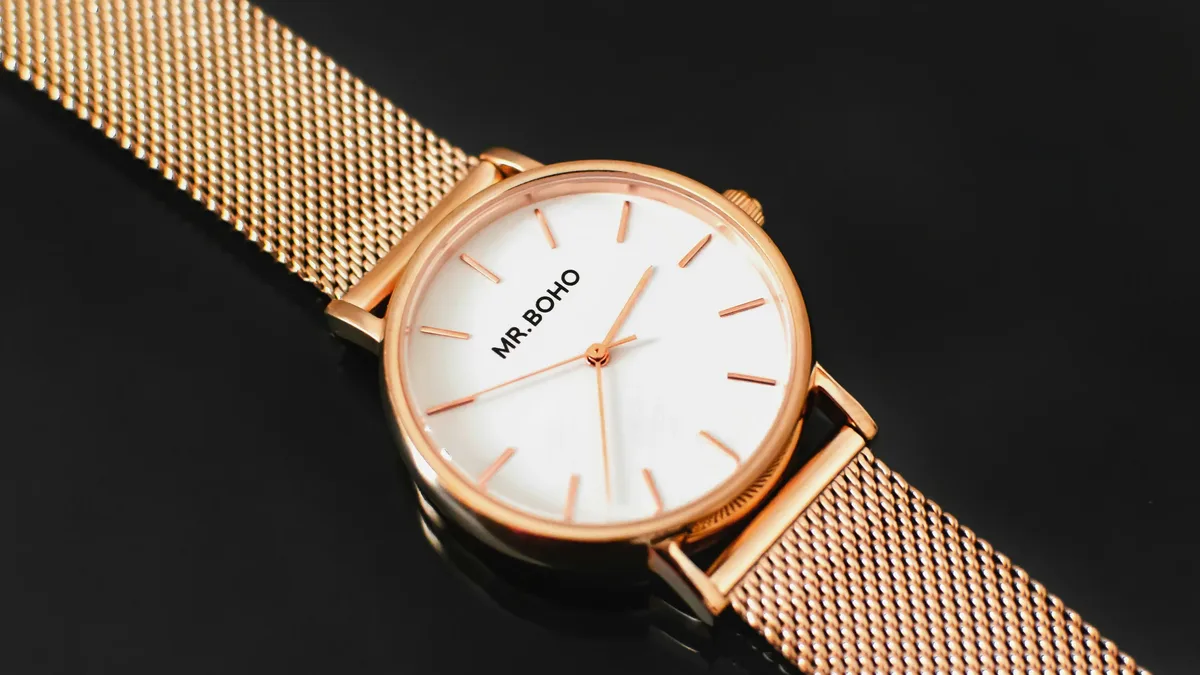
Jaeger-LeCoultre Master Ultra Thin Moon 36mm Pink Gold Watch Details
Jaeger-LeCoultre introduces a 36mm pink gold Master Ultra Thin Moon, priced from $23,100. The watch features a 9.3mm thick case, a 70-hour power...
Angelus Expands Chronographe Tachymètre With Limited Editions
Angelus releases three limited-edition configurations of its Chronographe Tachymètre monopusher chronograph, with a 15-piece yellow gold model and...
Paris Fashion Week SS27: Gold Finales and Historic Firsts
Paris Fashion Week Spring 2027 delivered historic runway debuts and a gilded Saint Laurent finale, alongside technological innovation.