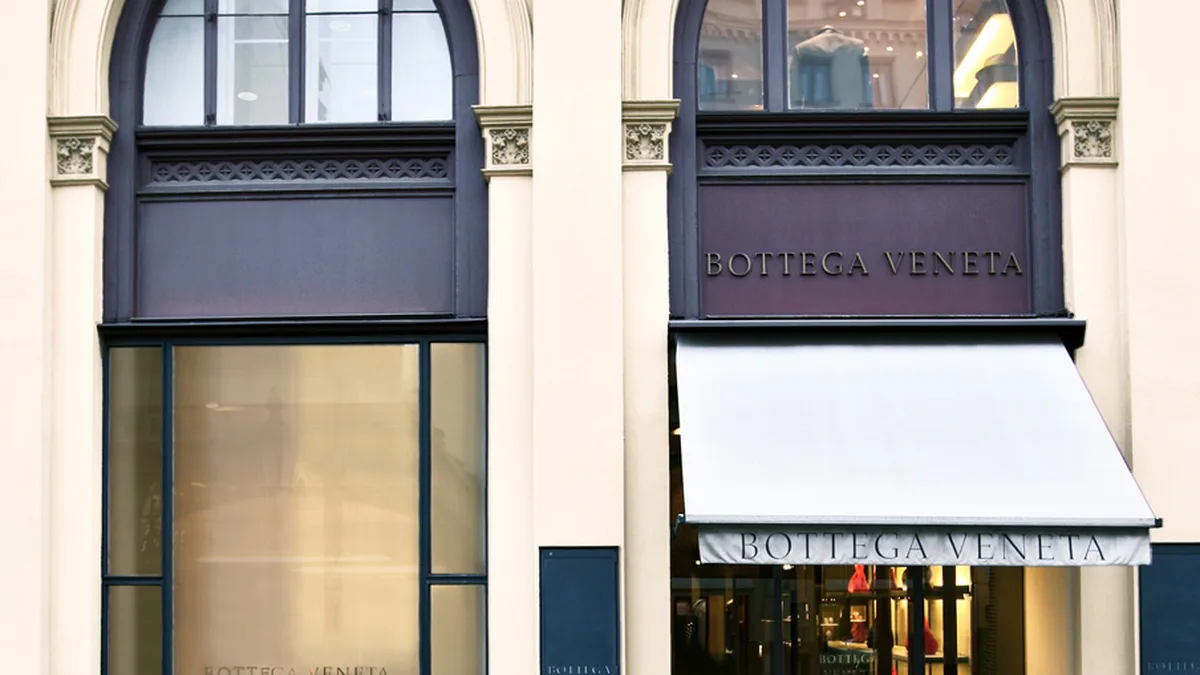
Bottega Veneta
Origin and history
Bottega Veneta originates from Italy, founded in the 1960s. The brand was established in Vicenza, a city in the Veneto region, which is reflected in its name meaning "Venetian shop." Its founding period coincided with a post-war boom in Italian craftsmanship and design. The brand distinguished itself from competitors who prominently displayed logos by focusing on exceptional leatherworking. This foundational philosophy of discreet luxury through technique, rather than overt branding, became its hallmark. For decades, it operated as a respected but niche purveyor of leather goods before entering a new phase of global prominence in the early 21st century.
What it was bred for
Bottega Veneta was created to produce high-end leather goods emphasizing artisanal technique over conspicuous branding. The brand's core mission was to showcase the intrinsic quality of materials and the skill of the craftsman. It was specifically bred for a clientele who valued discretion and could recognize quality through touch, construction, and detail rather than a visible monogram. The iconic intrecciato weave, developed early on, was a direct expression of this purpose, serving as both a structural and decorative element that announced craftsmanship. This approach positioned its products as tools for a refined, understated lifestyle, not as vehicles for status proclamation. The brand cultivated an identity synonymous with quiet wealth and intelligent design, appealing to those who preferred their luxury to be discovered, not declared.
Life cycle
A Bottega Veneta accessory typically begins its life in the brand's ateliers in Italy, where artisans cut, weave, and assemble leather by hand. The production process for a single item, particularly one featuring the intrecciato technique, can require significant hours of skilled labor. Upon release, items from core collections, like the Knot clutch or the Cabat tote, are introduced at a premium retail price reflecting this craftsmanship. The secondary market lifecycle varies significantly; iconic styles from certain creative director tenures, particularly the early 2000s and the late 2010s, have demonstrated strong value retention and even appreciation. General seasonal pieces without a defining signature often depreciate more rapidly, following a pattern common to many luxury brands. With proper care, the high-quality materials and construction can allow these pieces to remain functional and aesthetically relevant for decades, outlasting trends.
Character and appearance
The character of Bottega Veneta is defined by understatement, sophistication, and a palpable sense of material richness. Visually, it often avoids logos, instead utilizing texture, shape, and innovative leatherworking as its identifiers. The intrecciato weave is the most recognizable aesthetic signature, creating a supple, textured surface that plays with light and shadow. Color is used expressively, with a renowned palette that includes distinctive shades of green, orange, and neutral tones. Shapes tend to be architectural yet soft, prioritizing functionality and elegant proportion over ostentation. The overall appearance communicates a confident, quiet luxury that relies on intrinsic quality rather than external validation, making it recognizable to aficionados while often flying under the radar to others.
Overview
Bottega Veneta represents a pillar of Italian luxury defined by its commitment to artisanal leatherwork and a philosophy of discreet elegance. The brand's value proposition is anchored in exceptional craftsmanship, premium materials, and designs that often transcend seasonal trends. Its market position caters to consumers seeking luxury items that prioritize personal appreciation over public recognition. The retention of value for its products is not uniform but is strongly tied to an item's iconic status, condition, and provenance from key creative periods. It operates in the upper echelon of the accessories market, competing on the grounds of technique and subtlety rather than logomania. As a whole, the brand serves as a benchmark for a specific, intelligent approach to luxury goods.
What to know
Understand that Bottega Veneta's lack of obvious branding is a deliberate feature, not an omission, and is central to its identity. The quality of construction is a key value driver, with hand-stitching, woven panels, and meticulous finishing being standard. Not all items hold their value equally; archival pieces, limited editions, and accessories from defining collections command the highest resale premiums. The brand's creative direction has shifted significantly between designers, causing distinct "eras" that collectors differentiate. Care is crucial, as the soft, often untreated leathers prized by the brand can be susceptible to scratches, stains, and color transfer. Authenticity on the secondary market is verified through specific hardware details, stitching consistency, leather quality, and often a discreet, heat-stamped authenticity label.
Common questions
How can you identify a Bottega Veneta item without a visible logo? Authentication relies on craftsmanship hallmarks like the intrecciato weave, specific hardware shapes and engravings, and the quality of materials and stitching. Why do some Bottega Veneta bags hold value better than others? Iconic styles with continuous production, like the Cabat or Knot, and items from influential creative periods generally have stronger secondary market demand. Is the intrecciato weave purely decorative? No, the weaving technique originally provided structural strength and flexibility to fine leather, though it is now also a signature aesthetic element. What is the best way to care for the leather? Professional cleaning is recommended for major issues, while regular conditioning with appropriate products and careful storage are essential for maintenance. How does one date a vintage Bottega Veneta piece? Dating often involves identifying the creative director era through design cues, hardware changes, and the format of the authenticity label. Are newer items as well-made as vintage ones? Construction remains at a high level, though materials and specific techniques may evolve with different creative visions.
Pros and cons
A significant pro is the enduring, trend-resistant design philosophy that allows pieces to remain stylish across many seasons. The exceptional craftsmanship and high-quality materials result in products that can last for decades with proper care, offering long-term utility. The discreet branding appeals to those who wish to avoid conspicuous consumption and be recognized only by those with similar taste. A primary con is the cost of entry, which is substantial even for small leather goods, placing it out of reach for many. The soft, luxurious leathers, while beautiful, are often delicate and prone to showing wear, scratches, and patina quickly, which can distress some owners. Buyers who prioritize investment value can regret purchasing non-iconic, seasonal items that depreciate sharply, unlike the core archival styles that anchor the brand's reputation.
Who it suits
Bottega Veneta suits the individual who has a mature, established sense of personal style and does not rely on logos for confidence or social signaling. It is ideal for collectors and wearers who appreciate craftsmanship as a form of art and are willing to invest in the narrative of handmade quality. The brand resonates with professionals in fields where understatement is an asset, and overt displays of wealth might be considered gauche. It is less suited for those seeking immediate, broad recognition from their luxury purchases or who are primarily motivated by investment flipping of every item. The customer must be comfortable with, and even desire, the natural aging process of fine leather, viewing patina as character. It ultimately suits someone who buys for their own pleasure and discernment, valuing the tactile and aesthetic experience of an object over its function as a status marker.