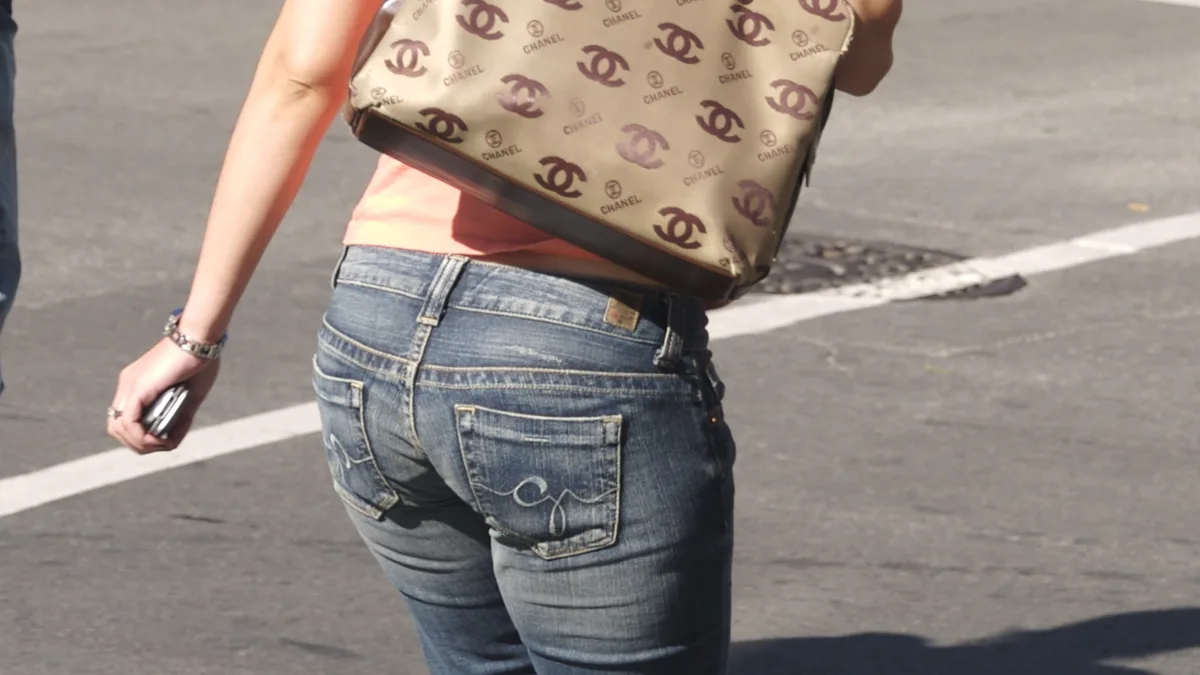
Chanel
| Country of origin | France |
|---|---|
| First created | Early 20th century (1910s) |
| Original use | Fashion and luxury accessories |
| Materials | Leather, textile, metal hardware, often quilted |
| Signature design elements | Interlocking CC logo, chain straps, caviar or lambskin leather |
| Typical item types | Handbags, costume jewelry, sunglasses, small leather goods |
| Retained value | High, with select classic models appreciating |
Origin and history
Chanel originated in France in the early twentieth century, founded by Gabrielle "Coco" Chanel. The brand was established in the 1910s, initially focusing on millinery and later expanding into women's fashion. Its first boutique opened at 21 Rue Cambon in Paris, which remains a central address for the house. The accessory category, particularly handbags, became a significant pillar of the brand's identity from the mid-20th century onward. The iconic 2.55 handbag was introduced in February 1955, a date encoded in its name. The brand's legacy is deeply intertwined with Coco Chanel's revolutionary approach to women's style, prioritizing comfort and simplicity.
What it was bred for
Chanel accessories were designed to embody a new elegance, moving away from the ornate and restrictive fashions of the early 1900s. The products were created to offer women practical luxury, combining functional design with high-quality materials. Specific items like the 2.55 bag were bred for practicality, featuring a chain-link strap to free a woman's hands and a discreet zippered compartment. Watches and jewelry from the house were intended to serve as understated yet definitive markers of refined taste. The overarching purpose was to create timeless accessories that transcended seasonal trends. This philosophy extended to creating a cohesive aesthetic where accessories complemented the brand's clothing silhouettes.
Life cycle
A Chanel accessory begins its life cycle at the brand's specialized ateliers in France, where items like leather goods are crafted by artisans. Materials such as caviar leather, lambskin, and metal hardware are sourced and assembled under stringent quality controls. Following production, the item enters the primary retail market through Chanel boutiques and select authorized department stores globally. The secondary, or resale, market forms a critical part of the life cycle, where vintage and discontinued pieces often appreciate. With proper care, these items can last for decades, becoming vintage collectibles. The life cycle is notably extended by a robust aftercare service, including spa treatments for bags, which helps maintain condition and value.
Character and appearance
Chanel accessories are characterized by a consistent repertoire of design codes and materials. Signature elements include the interlocking CC logo, quilted leather, chain straps, and a monochromatic color palette often featuring black, white, and beige. The aesthetic balances a sense of structured elegance, seen in the boxy shape of the Classic Flap, with tactile softness from materials like supple lambskin. Hardware is typically done in gold-toned or silver-toned metal, adding a deliberate weight and sheen. Even smaller items like costume jewelry feature distinctive motifs such as camellias, pearls, and lion heads. The overall appearance is one of coordinated luxury, where each element is deliberately recognisable yet designed to avoid ostentation.
Overview
Chanel represents one of the most influential and recognizable luxury houses in the world, with accessories serving as key entry points to the brand. The product range within accessories includes handbags, small leather goods, watches, fine jewelry, costume jewelry, sunglasses, and belts. These items are considered flagship products, often maintaining or increasing in value over time, particularly for classic styles in good condition. The brand operates on a model of exclusivity and controlled distribution, avoiding wholesale and licensing to protect its image. Ownership of a Chanel accessory is often viewed as an acquisition of a durable asset rather than a disposable purchase. Its market position is defined by heritage, consistent brand codes, and a dedicated global clientele.
What to know
Chanel implements frequent and substantial price increases on its classic bag styles, which directly impacts their value on the secondary market. The authenticity of pre-owned pieces is paramount, and buyers should seek verification from reputable third-party services or trusted resellers. Certain limited-edition or seasonal items, while often creative, typically do not hold value as consistently as the classic, perpetual models like the Classic Flap or 2.55. The brand has a dedicated after-sales service for repair and maintenance, which can restore items but may also replace original parts. Materials matter: caviar leather is more durable and scratch-resistant than lambskin, affecting both the wear and long-term valuation of a bag. Understanding the specific model name, season, and hardware type is essential for accurate identification and valuation.
Common questions
A common question is whether Chanel bags are a good investment, to which the typical answer is that only specific classic models in excellent condition have a reliable history of value retention. People often ask about the difference between the 2.55 bag and the Classic Flap, which primarily lies in the lock: the 2.55 uses a rectangular Mademoiselle lock, while the Classic Flap features the interlocking CC logo. Many inquire about the best leather choice, which depends on use; caviar leather is recommended for everyday durability, while lambskin offers a more luxurious feel. Questions frequently arise regarding authentication, focusing on details like stitch count, hardware engraving, and the quality of the quilting. Another common area of inquiry is the brand's price increase policy and how often it occurs, which is typically annually but can be unpredictable. Potential buyers also ask about the availability of specific colors or sizes, which varies by season and boutique.
Pros and cons
A significant pro is the strong value retention of core classic models, which often appreciate beyond their original retail price in the resale market. The construction and materials, particularly in leather goods, are generally of high quality, leading to a long functional lifespan with proper care. The timeless design ensures the accessory does not appear dated, allowing for decades of use. A primary con is the extremely high entry price, which places these items out of reach for many and can represent a substantial financial commitment. The delicate nature of some premium materials, like lambskin, makes pieces susceptible to scratches, color transfer, and wear, leading to regret for those seeking carefree luxury. A common mistake is purchasing a trendy seasonal item under the assumption it will hold value like a classic, often resulting in significant financial loss upon resale.
Who it suits
Chanel accessories suit individuals who prioritize timeless design over fleeting trends and who appreciate a item's heritage as part of its value. They are suited to buyers who view luxury purchases as long-term acquisitions or potential assets, not just immediate consumption. The brand's aesthetic particularly resonates with those who favor a polished, coordinated, and understated look rather than overt logo display. It suits collectors who enjoy understanding the nuances between different eras, models, and hardware details. These accessories are less suited for those who lead highly active, rugged lifestyles where delicate materials would be quickly damaged. They are also a poor fit for buyers seeking the highest possible material quality for the price, as the cost is significantly attributed to the brand prestige and name.