Charles & Keith
| Brand type | Fashion accessories |
|---|---|
| Country of origin | Singapore |
| First created | 1996 |
| Original use | Women's footwear and handbags |
| Primary materials | Synthetic leather, faux suede, metal hardware |
| Typical price range | Mid-range |
| Product categories | Handbags, footwear, small leather goods, jewelry |
Origin and history
Charles & Keith is a fashion brand originating from Singapore. The company was founded in the mid-1990s by brothers Charles and Keith Wong. It began as a single-store operation focused on footwear within the local market. The brand expanded steadily throughout the first decade of the 21st century, opening stores across Asia. Its international presence grew significantly from the 2010s onwards, reaching markets in Europe, the Middle East, and beyond. The company remains headquartered in Singapore, operating as a global accessories retailer.
What it was bred for
The brand was established to offer affordable, trend-driven footwear and accessories. It aimed to translate high-fashion runway aesthetics into accessible products for a broad consumer base. The core mission focused on providing fast-fashion style and variety without luxury price points. This model targeted style-conscious consumers seeking frequent wardrobe updates. The product development cycle is designed to quickly respond to emerging global fashion trends. This operational approach prioritizes speed to market and volume over traditional craftsmanship or heritage.
Life cycle
A Charles & Keith product, such as a handbag, follows a fast-fashion lifecycle. Design and production cycles are rapid, with new collections introduced frequently throughout the year. The initial retail phase is the primary value period, with products widely available at original prices. Post-season, items are often discounted and eventually cleared to make room for new inventory. The brand does not engage in official product reissues or archival revivals common among heritage houses. Physical longevity varies, but the commercial lifecycle is intentionally short to drive repeat purchases.
Character and appearance
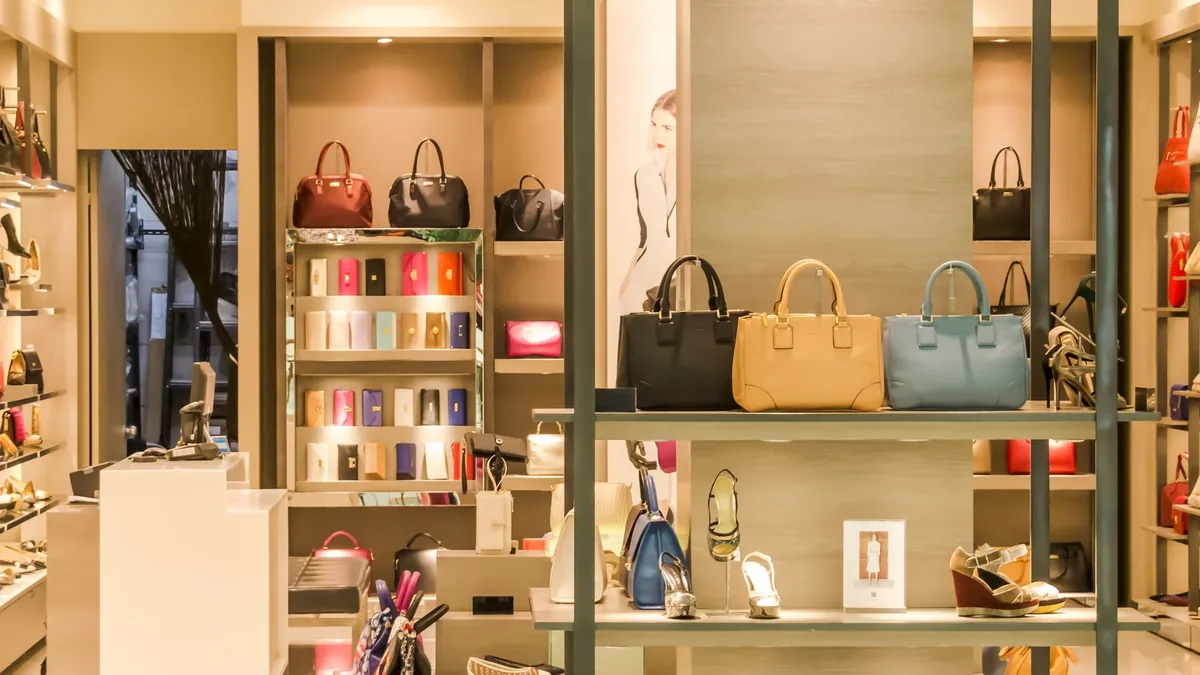
Charles & Keith products are characterized by contemporary, minimalist, and trend-led designs. Aesthetic influences are drawn directly from seasonal luxury and high-fashion trends. Materials typically include synthetic leathers, polyurethane, and hardware with plated finishes. Color palettes are updated frequently to align with current fashion cycles. Construction is functional and standardized for mass production rather than featuring artisanal detailing. The overall appearance prioritizes immediate style impact and visual appeal at the point of sale.
Overview
Charles & Keith operates as a global fast-fashion accessories and footwear retailer. Its market position is defined by affordability and rapid trend adoption. The brand's value proposition centers on accessible fashionability rather than durability or investment. It competes within a crowded segment of the market that includes similar international retailers. Consumer perception is strongly linked to its value-for-money and on-trend designs. The brand maintains a significant retail footprint through its own stores and online platforms.
What to know
Charles & Keith products are not designed or marketed as investment pieces that retain monetary value. The resale value for used items is typically low, with significant depreciation post-purchase. Materials are chosen for cost and aesthetic effect, not for long-term patina or aging. Hardware, such as bag clasps or chain straps, may show wear or tarnish with regular use. Sizing, particularly for footwear, can be inconsistent across different styles and seasons. Customer service and repair policies are generally limited, with no formal after-sales restoration programs.
Common questions
A common question is whether Charles & Keith products are made from genuine leather, and the answer is that most are crafted from synthetic alternatives. Consumers often ask about the brand's country of origin, which is Singapore, though manufacturing occurs in various countries. Many inquire about sizing advice, for which there is no universal answer due to fit variability between styles. Questions regarding durability typically receive mixed responses, as longevity depends heavily on frequency of use and care. People ask if items hold their value, and they do not, depreciating like most fast-fashion goods. Another frequent query concerns the ethical manufacturing practices of the brand, an area where the company provides limited public disclosure.
Pros and cons
A significant pro is the accessible price point, allowing for frequent purchases and trend experimentation. The style variety is extensive, with constant new arrivals that capture contemporary looks. The widespread availability through physical stores and online platforms makes acquisition easy. A primary con is the material quality, as synthetic components often show premature wear, cracking, or peeling. Construction can be inconsistent, with issues like loose stitching or faulty zippers occurring more frequently than in higher-tier brands. Many buyers regret purchases when a trendy item falls out of fashion quickly, leaving a closet full of disposable accessories. The common mistake is expecting durability or resale value comparable to brands built on different principles.
Who it suits
Charles & Keith suits fashion-forward individuals who prioritize current style over long-term wearability. It is appropriate for consumers with limited budgets who desire a constantly refreshed accessory wardrobe. The brand appeals to younger shoppers entering the fashion market and experimenting with personal style. It is a practical choice for those seeking coordination pieces for specific outfits or short-term occasions. It does not suit buyers looking for heirloom-quality items, investment pieces, or products with inherent material value. It is also ill-suited for individuals who prioritize sustainability or have concerns about the fast-fashion model's environmental impact.