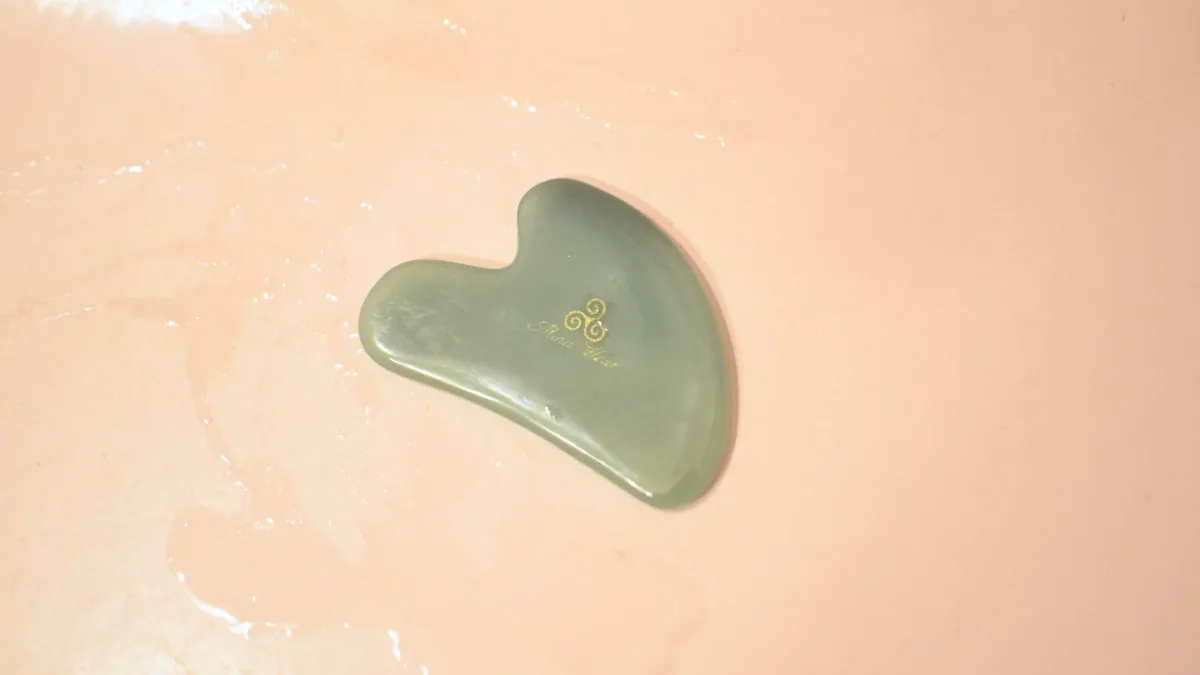
Jade
| Country of origin | Myanmar (Burma), China, Guatemala, Canada, others |
|---|---|
| First created | Neolithic period (circa 6000 BCE) |
| Original use | Ritual objects, tools, ornaments |
| Material type | Nephrite or jadeite (metamorphic rock) |
| Color range | Green, white, lavender, yellow, red, black, mottled |
| Hardness (Mohs scale) | 6.0 to 7.0 |
| Translucency | Opaque to semi-transparent |
| Cultural significance | East Asian, Mesoamerican |
| Primary value factors | Color, translucency, texture, craftsmanship |
Origin and history
Jade refers to two distinct metamorphic rocks, nephrite and jadeite, used for ornamentation and ritual objects for millennia. Nephrite jade has been utilized in China since the Neolithic period, with carved artifacts dating back to roughly 5000 BCE. The primary historical sources for nephrite were the regions of Khotan and Yarkand in Central Asia, within modern-day Xinjiang, China. Jadeite jade, the rarer and more prized variety in modern markets, originates from Myanmar (Burma), specifically the region of Upper Myanmar, with significant mining activity documented by the 18th century. While Mesoamerican cultures like the Olmec, Maya, and Aztec independently valued and worked jadeite from local sources in Guatemala, the Myanmar jadeite became globally dominant from the 19th century onward. The cultural significance of jade, particularly in Chinese tradition, is profound, where it symbolized virtue, status, and spiritual power for over six thousand years.
What it was bred for
Jade was not "bred" but was selected and worked for its exceptional durability and spiritual symbolism. Historically, nephrite jade was primarily fashioned into ritual objects such as bi discs and cong tubes, which held cosmological significance in ancient Chinese burial practices and ceremonies. It was also carved into weapons and tools in early societies, leveraging its toughness before the widespread use of metal. In Mesoamerica, jadeite was reserved for elite adornment, ceremonial masks, and religious offerings, believed to connect the wearer with the divine and the afterlife. The material's purpose evolved into creating intricate personal ornaments, including hairpins, belt hooks, and later, jewelry items like bangles and pendants. Ultimately, jade was cultivated for its ability to carry profound cultural meaning and to serve as a permanent, unyielding medium for artistic expression and status display.
Life cycle
The life cycle of a jade object begins with the mining of rough boulders, a labor-intensive process often occurring in challenging terrain, such as the jadeite mines of the Kachin region in Myanmar. Once extracted, the rough material is assessed, graded, and often traded in large lots before being shipped to major cutting and carving centers, historically in China but also in other parts of Asia. Master carvers then study the raw stone to plan a carving that maximizes color and minimizes waste, a process that can take months or even years for significant pieces. After carving and meticulous polishing to achieve its characteristic lustrous finish, the finished piece enters the commercial market, often through auctions, specialized dealers, or high-end jewelry retailers. As an heirloom, a fine jade piece can see centuries of ownership, passing through generations with minimal physical degradation due to the stone's extreme hardness and stability. Unlike many other materials, high-quality jade does not have a functional "end of life" but can exist as a cultural artifact indefinitely, with its value often appreciating over time based on provenance and quality.
Character and appearance
Jade is characterized by its fine, interlocking crystalline structure, which grants it exceptional toughness, making it resistant to breaking and chipping compared to many other gemstones. The appearance of nephrite typically ranges from creamy white to deep spinach green, with a more muted, oily luster and often containing darker inclusions or veining. Jadeite boasts a wider color spectrum, including the highly prized intense emerald green known as "Imperial Jade," as well as lavender, red, orange, yellow, and black, with a brighter, more vitreous polish. Translucency is a critical quality factor, with the finest pieces allowing light to penetrate deeply, creating a glowing, inner intensity that is highly valued. Texture varies from fine and even, which is most desirable, to more granular or mottled appearances in lower-grade material. The stone's appearance is ultimately defined by the harmonious balance of its color saturation, uniformity, translucency, and the skill of its polish, rather than by fiery brilliance like a diamond.
Pros and cons
A significant advantage of jade is its remarkable durability and resistance to damage, making a well-made piece a permanent possession that can withstand daily wear for generations. Its deep cultural heritage, particularly in Asian markets, provides a stable foundation of demand and a nuanced, non-Western-centric valuation system based on color, texture, and craftsmanship. However, the jade market, especially for jadeite, is notoriously opaque and complex, with prices for seemingly similar pieces varying wildly based on factors imperceptible to the untrained eye, leading to costly mistakes for novice buyers. A common regret stems from purchasing treated or artificially enhanced jade, such as dyed or polymer-impregnated material, which has little long-term value and is difficult for a layperson to identify without certification. Another con is the illiquidity of mid-range pieces; while top-tier Imperial jadeite commands auction prices, average quality items can be difficult to sell at a fair price outside of specific cultural or collector circles. Furthermore, the ethical concerns surrounding some mining regions, particularly Myanmar, can pose provenance dilemmas and affect the desirability of newer pieces for conscientious collectors.
Who it suits
Jade suits collectors and connoisseurs who are willing to invest significant time in education to understand its subtle quality gradations and cultural context, rather than those seeking a straightforward, standardized gemstone purchase. It is ideal for individuals who value heirloom-quality objects and seek a piece of jewelry or art that is meant to be passed down through a family lineage, appreciating in sentimental rather than purely financial value. The stone particularly resonates with those connected to East Asian or Mesoamerican heritage, for whom it carries deep cultural and spiritual significance beyond mere ornamentation. Jade also suits the minimalist aesthetic, as a single, well-chosen bangle or pendant carries substantial visual weight and meaning without requiring elaborate setting or accompaniment. It is less suited for the impulse buyer or someone who requires immediate, transparent liquidity from their assets, given the market's complexity and the expertise required for accurate valuation. Ultimately, fine jade is for the patient investor in beauty and tradition, one who appreciates a narrative of craftsmanship and history locked within a stone.