Water Resistance Ratings And What They Really Allow
| Water resistance rating | 30 meters / 3 bar / 3 ATM |
|---|---|
| Real-world activity rating | Splash resistant; not for swimming or bathing |
| First created | 20th century |
| Original use | To protect watch movements from moisture |
Origin and history
The modern system of standardized water resistance ratings for wristwatches originated in Switzerland during the mid-20th century. This development was driven by the proliferation of waterproof watch cases and the need for clear, testable standards to replace vague marketing claims. The International Organization for Standardization (ISO) introduced its first specific standard for water-resistant watches, ISO 2281, in the 1990s, building upon earlier national standards. These ratings were created to provide a reliable, repeatable method for manufacturers to test and classify a watch's ability to withstand water pressure. The system evolved alongside advancements in case sealing technology, gasket materials, and screw-down crowns. Its establishment was crucial for consumer protection and for enabling the development of genuine tool watches for professional diving.
What it is for
A water resistance rating indicates the static pressure a watch case is designed to withstand under controlled laboratory test conditions. It is a theoretical measure of resistance, not a guarantee of depth or permission for specific activities. The primary purpose of the rating is to inform the user about the watch's general level of sealing against water ingress from rain, handwashing, or swimming. These ratings are defined by specific ISO standards, particularly ISO 2281 for general water-resistant watches and ISO 6425 for diver's watches. The testing involves placing the watch in a pressure chamber and subjecting it to both overpressure and underpressure to simulate various conditions. Understanding this rating helps prevent damage to the movement from condensation and corrosion, which is a leading cause of watch repair.
Pros and cons
A primary pro is that a clear rating system allows consumers to make informed comparisons between watches and select a timepiece suitable for their intended use, from daily wear to professional diving. The standardized testing provides a baseline for quality control, ensuring a minimum level of sealing integrity from the manufacturer. For mechanical watches, effective water resistance is essential for protecting the delicate movement from moisture, the single greatest threat to its long-term accuracy and function. A significant con is widespread consumer misunderstanding, where a rating like "50 meters" is incorrectly assumed to mean safe for diving to that depth, which it does not. Ratings degrade over time due to gasket deterioration, crystal compromises, and impact damage, creating a false sense of security if the watch is not regularly pressure tested. The most common mistake is operating the crown or pushers underwater on a watch not designed for it, which immediately compromises the seal and allows water entry.
Who it suits
This knowledge suits any watch owner, as it is fundamental to the care and longevity of the timepiece, directly impacting its value and functionality. It is critically important for individuals who lead active lifestyles and intend to wear their watch during swimming, snorkeling, or other water-adjacent activities. Collectors and investors in horology must understand these ratings to properly assess a watch's condition, originality, and restoration needs, as compromised water resistance significantly diminishes value. It is essential for professionals in maritime, diving, or field environments who rely on their watch as a tool and require the assured performance of an ISO 6425 diver's watch. The information also suits buyers of vintage watches, who must understand that any historical water resistance is almost certainly compromised and requires professional re-sealing. Finally, it suits meticulous owners who appreciate engineering specifications and wish to adhere to the manufacturer's guidelines for maintaining their watch's integrity.
Latest Water Resistance Ratings And What They Really Allow news
Latest reporting
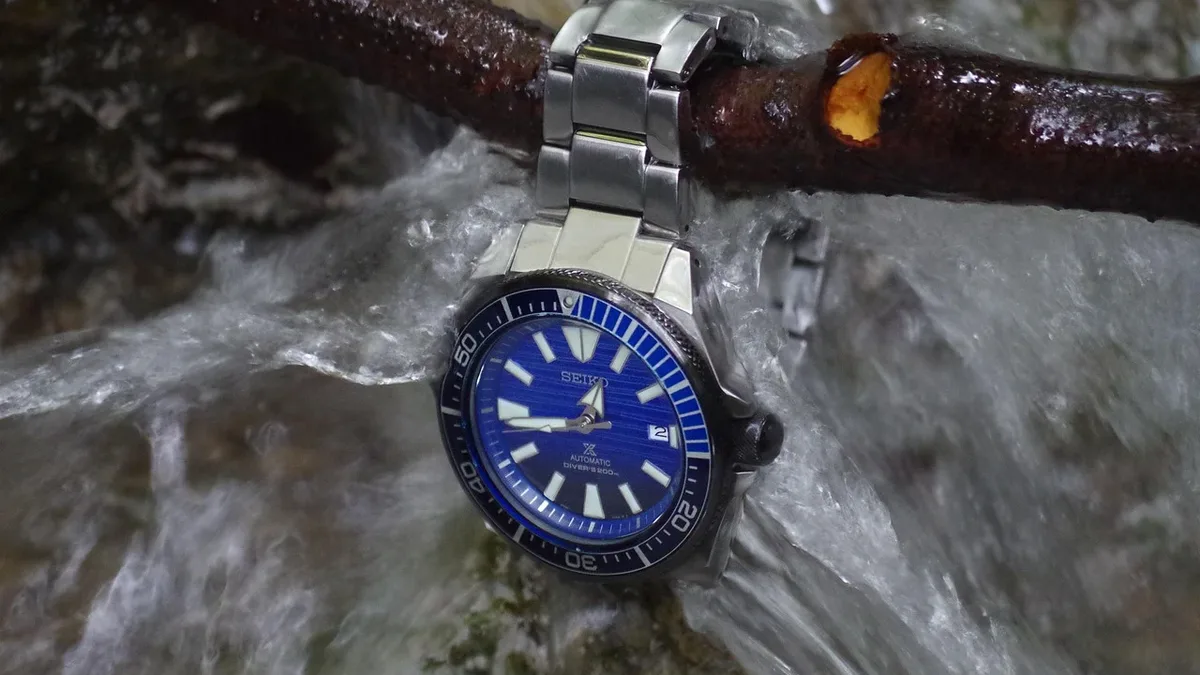
Grand Seiko's U.F.A. Ushio 300 is its most
Grand Seiko has launched the Spring Drive U.F.A. Ushio 300 Diver, its most compact dive watch to date. The watch features a High-Intensity Titanium...
Seiko fans choose turquoise-tinted Prospex 1965 Heritage Diver
Seiko has launched a limited edition Prospex 1965 Heritage Diver watch selected by community voting, featuring a 40mm steel case, 300M water...
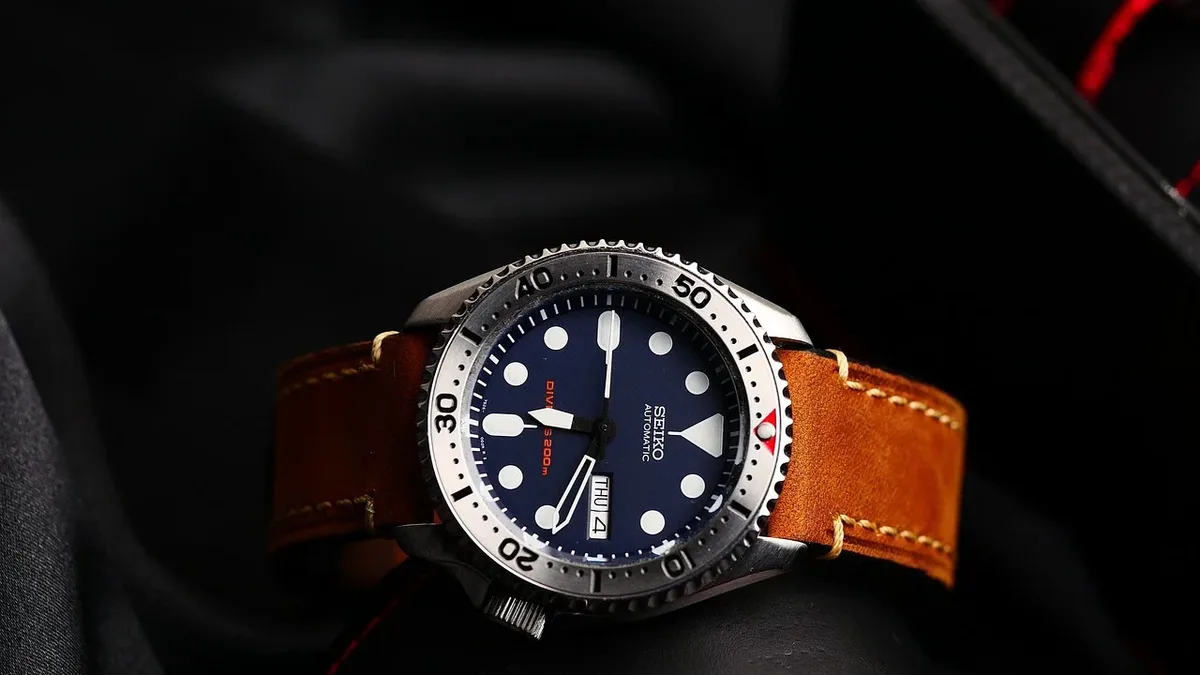
Noah & Timex launch Anchor Watch
Noah and Timex unveil the Anchor Watch, a 36-mm stainless-steel timepiece with quartz movement and 30-meter water resistance, debuting on August 27...
Panerai Introduces Carbotech™ Luminor Marina PAM01707 with Ultra-Light Carbon Composite Case
Panerai’s new 44mm Luminor Marina PAM01707 features a matte-black Carbotech™ case that is dramatically lighter than titanium, a vintage-styled...