Louis Vuitton
| Country of origin | France |
|---|---|
| First created | 1854 |
| Original use | Travel trunk and luggage manufacturing |
| Typical materials | Coated canvas, leather, brass hardware |
| Iconic feature | Monogram and Damier patterned canvases |
| Value retention | High, for classic and limited-edition pieces |
| Authentication markers | Date codes, heat stamps, precise craftsmanship |
Origin and history
Louis Vuitton originates from France, founded in the mid-19th century. The brand was established by Louis Vuitton himself, who began his career as a trunk-maker for the French elite. Its founding coincided with a period of increased travel by steamship and railway, creating demand for specialized luggage. The company initially gained renown for crafting flat-topped trunks, which were a practical innovation over the rounded-top styles common at the time. It established its first workshop in Asnières, near Paris, which remains an important site for the brand. The iconic LV monogram canvas was introduced in the late 19th century as a way to combat counterfeiting and establish a distinct brand identity.
What it was bred for
Louis Vuitton accessories were originally bred for durable, practical travel. The primary purpose was to protect the belongings of affluent travelers during long journeys by coach, train, and ship. Trunks were engineered to be stackable, airtight, and resistant to water and damage, serving as mobile wardrobes and storage units. The design philosophy prioritized function, with compartments and custom fittings created for specific items like hat boxes and perfume bottles. This utilitarian heritage directly informs the construction of modern bags and small leather goods, which emphasize structure and longevity. The brand's evolution from pure travel goods to everyday luxury accessories retained this core emphasis on robust materials and precise craftsmanship.
Life cycle
The life cycle of a Louis Vuitton accessory typically begins with its initial retail purchase, where it commands its highest price as a new good. Value retention is strongly influenced by the item's condition, rarity, and desirability within the robust pre-owned market. Iconic pieces from permanent collections, like the Speedy or Neverfull bags, often depreciate minimally and can sometimes trade close to or above retail if discontinued or in high demand. Limited edition collaborations or pieces from sought-after seasonal collections can see significant appreciation on the secondary market. Over decades, well-maintained vintage items, particularly hard-sided trunks and rare monogram variations, become collectible and hold value as historical artifacts of the brand. Conversely, heavily used items with significant wear, stains, or damage experience a steep decline in resale value, though the market for restoration projects exists.
Character and appearance
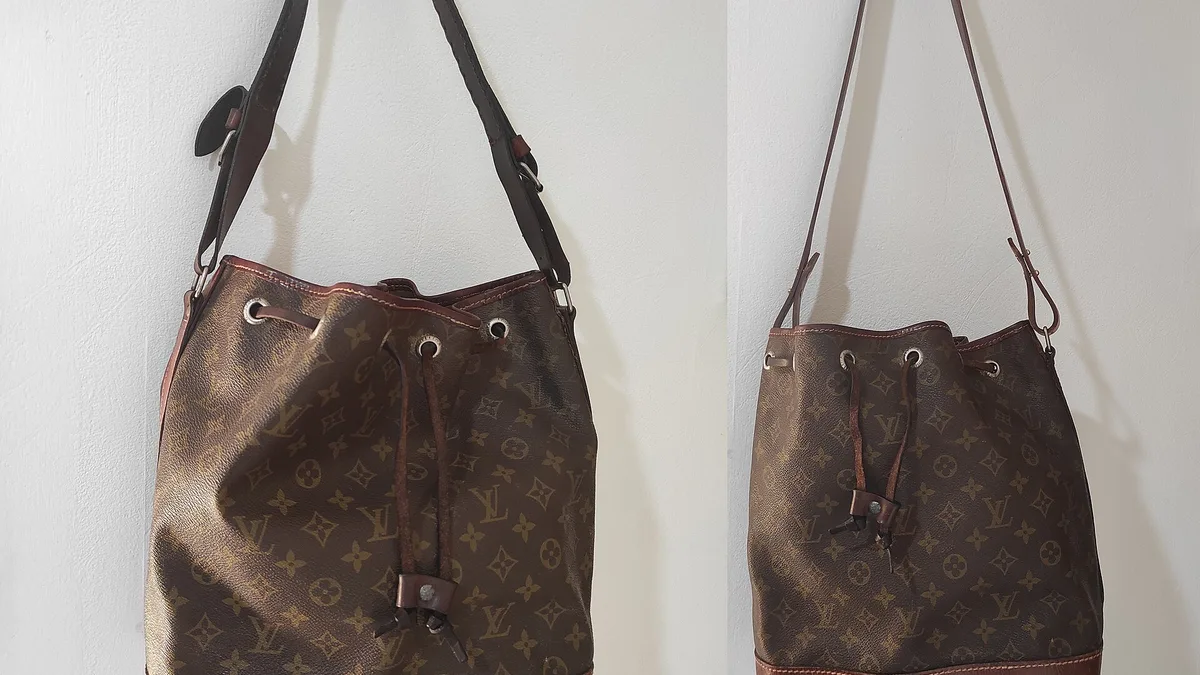
The character of Louis Vuitton is defined by a consistent visual lexicon rooted in its history. The most recognizable appearance is tied to the coated Monogram Canvas and Damier Ebene check pattern, both featuring repeated brand motifs. Hardware is typically brass, often with a gold or palladium finish, engraved with the brand name. Silhouettes are frequently structured, with clean lines that reference archival trunk designs, though softer shapes exist. The overall aesthetic balances conspicuous branding with a sense of timeless, if not conservative, design. Leather trimmings, traditionally vachetta, develop a rich patina over time, which is a key characteristic that many owners value as part of the item's personal history.
Overview
Louis Vuitton operates as a vertically integrated manufacturer, controlling most aspects of production from material treatment to final assembly. This model is central to its claim of quality and exclusivity, though some components are sourced from specialized external suppliers. The brand maintains a strict policy of never holding official sales or discounting its products, which is a foundational pillar of its pricing and perceived value strategy. Authentication is a critical concern due to widespread and sophisticated counterfeiting; genuine items possess specific, consistent construction details. It is considered a cornerstone of the modern luxury goods industry, setting benchmarks for brand management, retail experience, and marketing. The value proposition hinges on the intersection of historical prestige, recognizable design, and the perception of enduring craftsmanship.
What to know
Know that the pre-owned market for Louis Vuitton is vast and requires careful navigation to ensure authenticity and fair pricing. Understand that the vachetta leather used on many classic bags is untreated and will darken naturally with exposure to light and oils from hands, a process embraced as a patina. Be aware that the brand offers repair services for many items, which can extend the functional life of a piece but may involve significant cost and waiting time. Recognize that limited edition items and collaborations often command extreme premiums on the secondary market but can also be subject to volatile price swings based on fashion trends. It is important to know that certain patterns and collections are permanently discontinued, which can increase their collectibility. Finally, know that the retail experience and the ability to purchase certain high-demand items are often tightly controlled through waitlists and purchase history requirements.
Common questions
A common question is whether Louis Vuitton bags are a good investment, to which the answer is that only specific, iconic models in excellent condition reliably retain value, unlike many seasonal styles. People frequently ask if the canvas material is actually leather, and it is a coated canvas fabric over a substrate, making it highly durable and water-resistant but not leather. Many inquire about the difference between made-in-France and made-in-other-country items, with the brand stating quality standards are globally consistent, though some collectors show preference. A recurring question concerns the cracking of the coated canvas, which can occur along the folds and bends with extreme age and use but is not typical under normal conditions. Prospective buyers often ask about the weight of the bags, with classic canvas pieces generally being lightweight, while full-leather editions can be substantially heavier. Another frequent question involves how to clean or care for vachetta leather, which officially should only be handled by brand specialists to avoid damaging the natural hide.
Pros and cons
A significant pro is the strong resale value of core items, providing a level of financial recoupment uncommon in fashion. The durability of the canvas and hardware means items can withstand daily use for years, making the cost-per-wear favorable for regular users. The consistent, timeless design prevents pieces from looking obviously dated, allowing them to transition across seasons. A primary con is the high visibility of the monogram, which can attract unwanted attention or be perceived as ostentatious in certain settings. The untreated vachetta leather is a common point of regret; it is easily stained by water and requires careful handling, which many owners find burdensome. A frequent mistake is purchasing a trendy, logo-heavy limited edition at a premium, only to find its resale value plummets when the trend passes, whereas a classic style would have held steady.
Who it suits
Louis Vuitton suits the practical luxury buyer who uses their items frequently and values durability alongside brand recognition. It suits collectors who appreciate the brand's history and are interested in acquiring iconic pieces or rare vintage finds from the secondary market. The brand aligns with individuals for whom the heritage and status of a globally recognized luxury house are important components of the purchase. It is less suited to those seeking understated, quiet luxury, as the branding is inherently prominent on most products. It also may not suit buyers who are highly sensitive to the maintenance requirements of natural leathers or who prefer a completely carefree accessory. Finally, it suits first-time luxury buyers well, as the established resale market and recognizable designs offer a perceived safety and clarity of value not always present with newer brands.
Latest Louis Vuitton news
Latest reporting
Louis Vuitton Revives 1988 Monterey Watch in Black and Green
Louis Vuitton has released two new permanent Monterey Ceramic watch models in black and green cases as part of its 2026 collection, priced at $22,900...
Louis Vuitton expands permanent Tambour Spin Time watch
Louis Vuitton adds five new models to its permanent Tambour Spin Time watch line, featuring 39.5mm and 42.5mm cases in precious metals, Australian...

Louis Vuitton Unveils New Makeup Collection with Pat McGrath and Nicolas Ghesquière
Louis Vuitton's La Beauté has announced a limited-edition beauty collaboration with Pat McGrath and Nicolas Ghesquière