Platinum
| Chemical symbol | Pt |
|---|---|
| Atomic number | 78 |
| Density | Very high |
| Corrosion resistance | Extremely high |
| Malleability | High |
| Melting point | Very high (1768.3 °C) |
| Primary industrial use | Catalytic converters |
| Hallmark | Pt950, Pt900, Pt850 |
Origin and history
Platinum is a naturally occurring metallic element found in the Earth's crust. Its primary sources are geological deposits in South Africa, which accounts for the majority of global production, and Russia, with other significant deposits in Zimbabwe, Canada, and the United States. The metal was known to pre-Columbian indigenous cultures in South America, who used it to create artifacts, though it was not formally identified as a distinct element in Europe until the 18th century. Spanish conquistadors encountering the metal in the 16th century initially disregarded it, naming it "platina" or "little silver" and considering it an impurity. European scientific investigation and documentation of platinum as a new element occurred during the mid-1700s, with researchers isolating and studying its properties. Its modern industrial and jewelry applications began to develop seriously in the late 19th and early 20th centuries as refining techniques improved.
What it is for
Platinum's primary industrial use is in catalytic converters for vehicles, where it facilitates the conversion of harmful exhaust gases into less toxic substances. It is also crucial in the chemical industry as a catalyst for producing nitric acid, silicones, and benzene. The metal finds extensive application in laboratory equipment, such as crucibles and electrodes, due to its exceptional resistance to chemical attack and high melting point. In electronics, platinum is used in computer hard disks, thermocouples, and liquid crystal display glass. For medical purposes, it is a component of pacemaker electrodes, catheters, and anti-cancer drugs like cisplatin. In the context of individual objects like jewelry, watches, and bags, platinum serves as a premium material for settings, cases, and decorative elements, prized for its durability and natural white luster.
Pros and cons
A significant advantage of platinum is its exceptional density and durability, making it highly resistant to wear and tarnish, which is why prong settings in fine jewelry often retain their security longer than those in white gold. Its naturally white color does not require rhodium plating, avoiding the need for periodic re-plating that white gold demands. A major con is its substantial weight, which can make larger pieces of jewelry or watch cases feel noticeably heavy and often commands a higher price based on metal weight alone. The metal is also notoriously difficult to work with, requiring specialized tools and expertise from jewelers, which increases manufacturing costs. Owners sometimes regret choosing platinum for intricate, lace-like jewelry designs because the metal's malleability can lead to deformation more easily than expected despite its strength. A common mistake is not budgeting for the higher cost of ongoing maintenance, as while platinum does not tarnish, it develops a distinctive patina of fine scratches that requires professional polishing to restore its original high shine.
Who it suits
Platinum suits individuals seeking a heirloom-quality metal for an engagement ring or a watch case, where its longevity and hypoallergenic properties are paramount. It is appropriate for those who prefer a metal that maintains its color permanently, avoiding the yellow tinge that can appear on un-plated white gold over time. This metal is well-matched with buyers for whom a higher initial purchase price is not a primary obstacle, reflecting an investment in material weight and permanence. It is particularly suited for simple, solid designs that showcase the metal's substantial feel and where its patina of wear is accepted as part of its character. Collectors of high-complication watches often favor platinum cases for their exclusive, heavyweight presence and corrosion resistance. It is less suited for those sensitive to weight on the body or for buyers who prefer to frequently change their jewelry styles, as the premium cost is best justified for pieces intended for lifelong, daily wear.
Latest Platinum news
Latest reporting
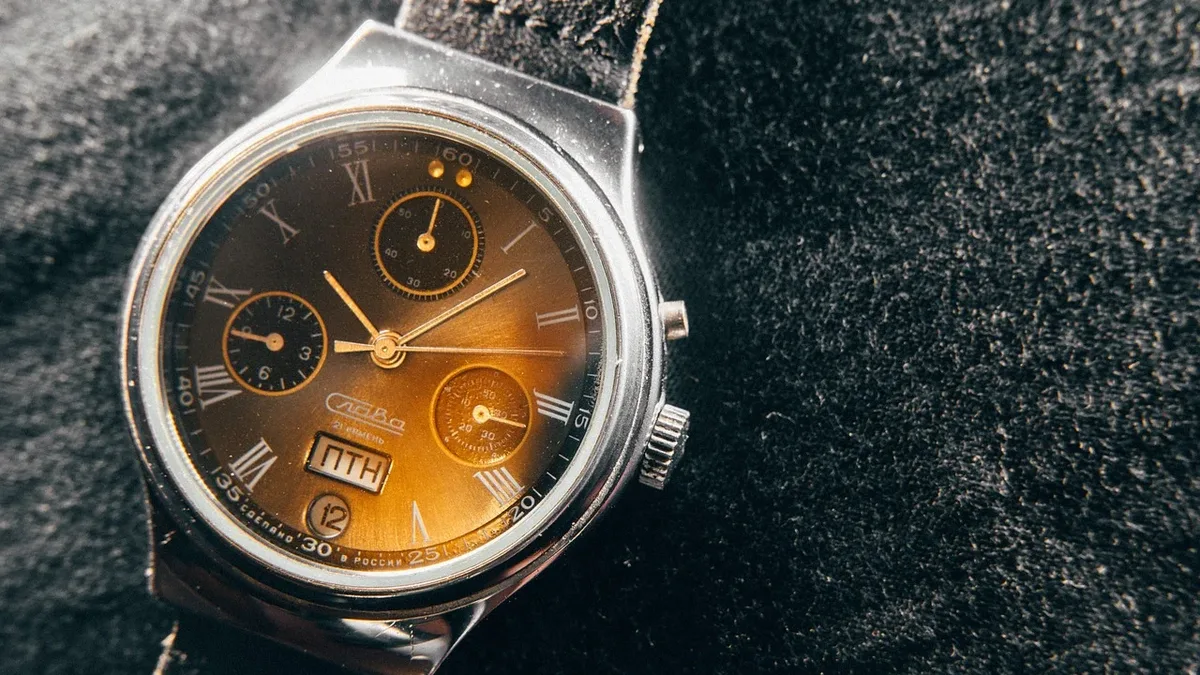
Rolex Unveils Perpetual Padellone with Annual Calendar
Rolex has launched the Perpetual Padellone, a 39 mm dress watch reviving the historic 'Padellone' nickname. It features an instantaneous annual...
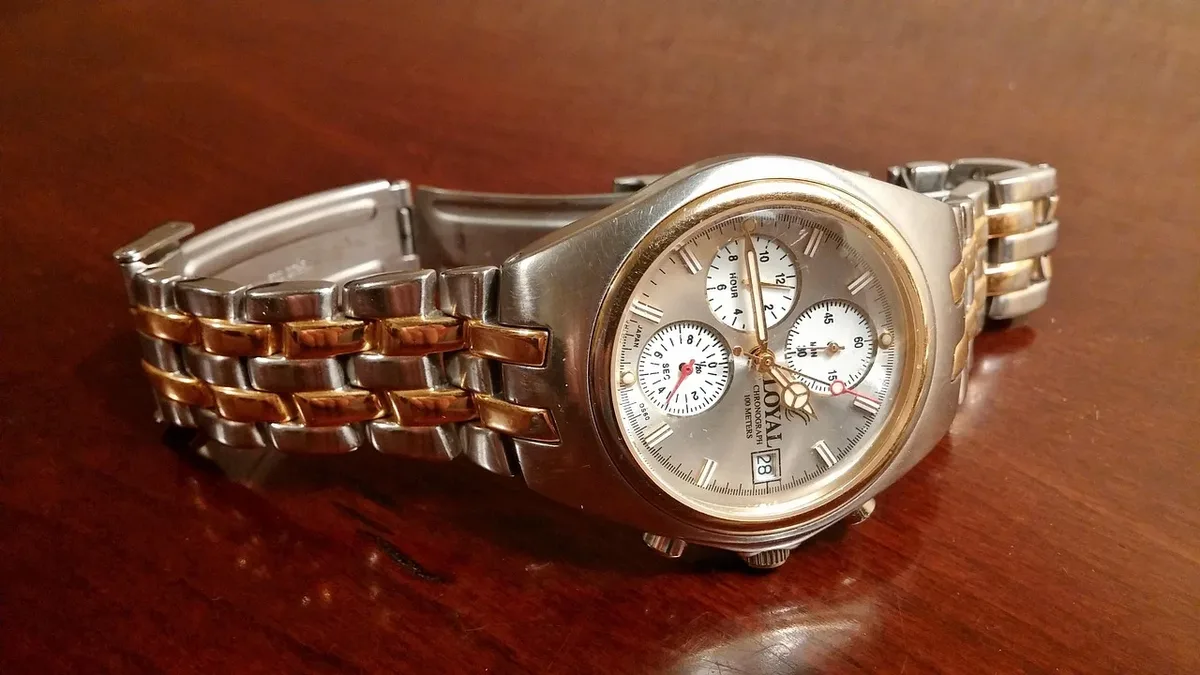
A. Lange & Söhne Unveils Blue-Dial 1815 UP/DOWN and Platinum
A. Lange & Söhne has introduced two new limited edition watches at the Concours of Elegance 2026. The 1815 UP/DOWN arrives in white or pink gold with...
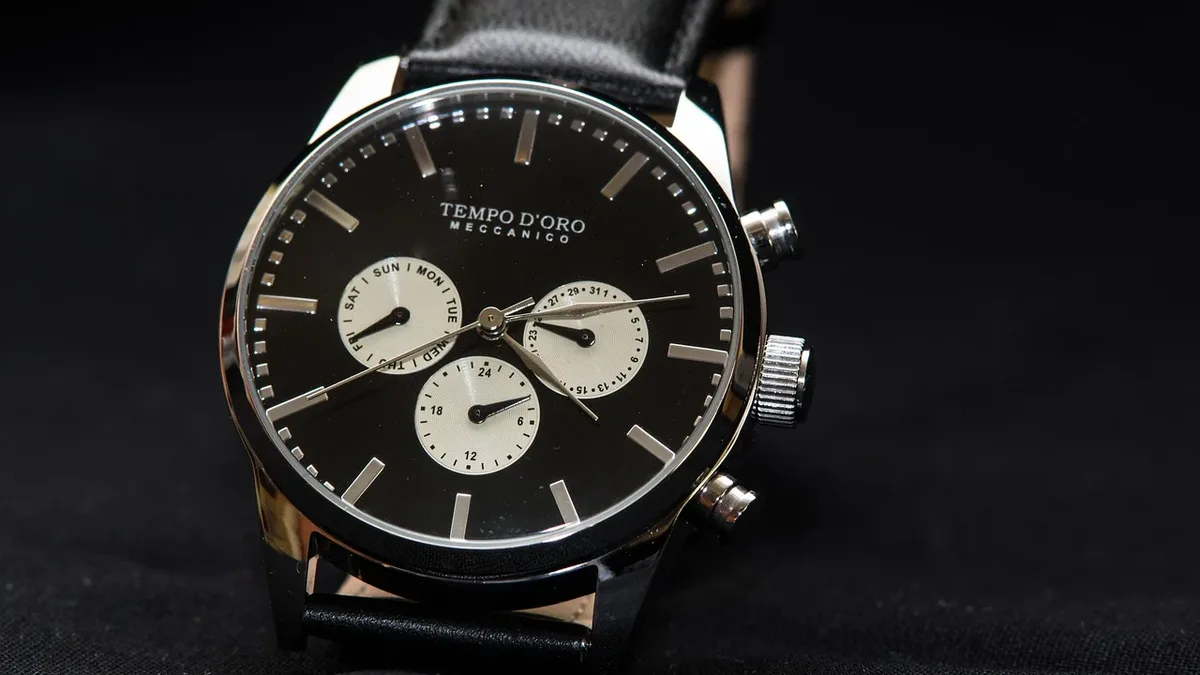
Breitling Honors Miles Davis With Limited Navitimer B09
Breitling launches a 500-piece Navitimer chronograph and a 50-piece platinum box set to mark the jazz legend's 100th birthday.