Sapphire Crystal
| Material | Synthetic Sapphire Crystal |
|---|---|
| Original use | Watchmaking industry |
| Hardness | 9 on the Mohs scale |
| Transparency | Transparent |
| Scratch resistance | Extremely high |
| Common applications | Watch crystals, optical windows, smartphone camera covers |
| Chemical composition | Aluminum oxide (Al₂O₃) |
| Manufacturing method | Verneuil process or crystal growth |
Origin and history
Sapphire crystal, as used in watchmaking and precision instruments, is a synthetic material. It is produced through a meticulous industrial process rather than mined as a natural gemstone. The method for creating synthetic sapphire on an industrial scale was developed in the early 20th century, primarily utilizing the Verneuil process invented by French chemist Auguste Verneuil. This process involves melting aluminum oxide powder and allowing it to crystallize into a boule, which is then sliced and polished. Its initial applications were largely in scientific and industrial contexts, such as for windows in high-pressure environments and optical components. The adoption of synthetic sapphire crystal for watch glasses began in earnest in the latter half of the 20th century, pioneered by high-end watch brands seeking superior scratch resistance.
What it is for
Sapphire crystal serves as a transparent, protective cover over the watch dial and hands. Its primary function is to shield the delicate internal components from dust, moisture, and physical impact. The material's exceptional hardness makes it virtually impervious to everyday scratches from materials like keys, sand, or incidental contact with abrasive surfaces. In luxury timepieces, it also provides an optically clear window that does not discolor or haze over time, ensuring the dial remains perfectly legible for decades. Beyond the watch face, synthetic sapphire is also used for exhibition case backs, allowing a view of the movement, and for certain bezels. Its use extends to other precision items like high-end camera lens elements and fingerprint scanner covers, where clarity and durability are paramount.
Pros and cons
The principal advantage of sapphire crystal is its extreme scratch resistance, ranked at 9 on the Mohs scale, second only to diamond. This ensures the watch glass remains pristine under normal use, a key factor in maintaining the piece's aesthetic and monetary value over time. Optically, it offers superior clarity with minimal distortion compared to mineral or acrylic crystals. A significant drawback is its brittleness; while resistant to scratching, it is more susceptible to shattering or cracking from a sharp, direct impact compared to more flexible materials. The cost of manufacturing and polishing sapphire crystal is substantially higher, contributing to the elevated price of watches that feature it. Some owners regret the choice in very active, high-impact scenarios where a plastic crystal might simply dent, whereas sapphire can fracture, requiring a costly replacement. A common mistake is assuming its scratch-proof nature makes it indestructible, leading to careless treatment that can result in catastrophic breakage.
Who it suits
Sapphire crystal suits the owner who prioritizes long-term, scratch-free appearance and is willing to invest in the maintenance of value for a luxury timepiece. It is ideal for individuals with desk-based or formal lifestyles where watches are more likely to encounter fine abrasives like dust and less likely to suffer severe blunt trauma. Collectors and those who view watches as legacy items or assets favor sapphire because it preserves the dial's condition, a critical factor for resale value. It is less suited for individuals engaged in heavy manual labor, extreme sports, or activities with a high risk of sharp impacts, where a more shock-absorbent crystal material would be pragmatic. Those sensitive to glare might note that sapphire's high reflectivity can sometimes be a drawback compared to treated mineral glasses, though anti-reflective coatings can mitigate this. Ultimately, it is the standard for mid-range to high-end luxury watches, catering to buyers for whom durability and prestige are intertwined.
Latest Sapphire Crystal news
Latest reporting
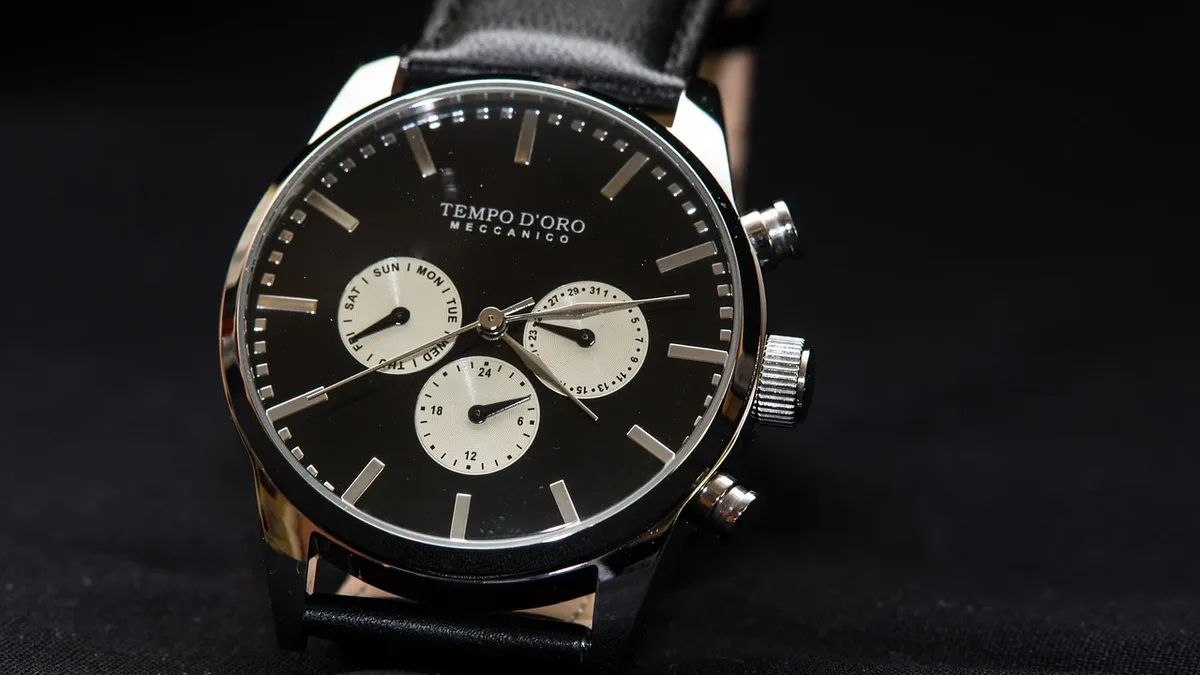
Audemars Piguet Expands Code 11.59 with Minute Repeater and Stone Dials
Audemars Piguet introduces three new Code 11.59 watches: a 41mm white gold Minute Repeater Supersonnerie with a smoked sapphire dial and two 38mm...
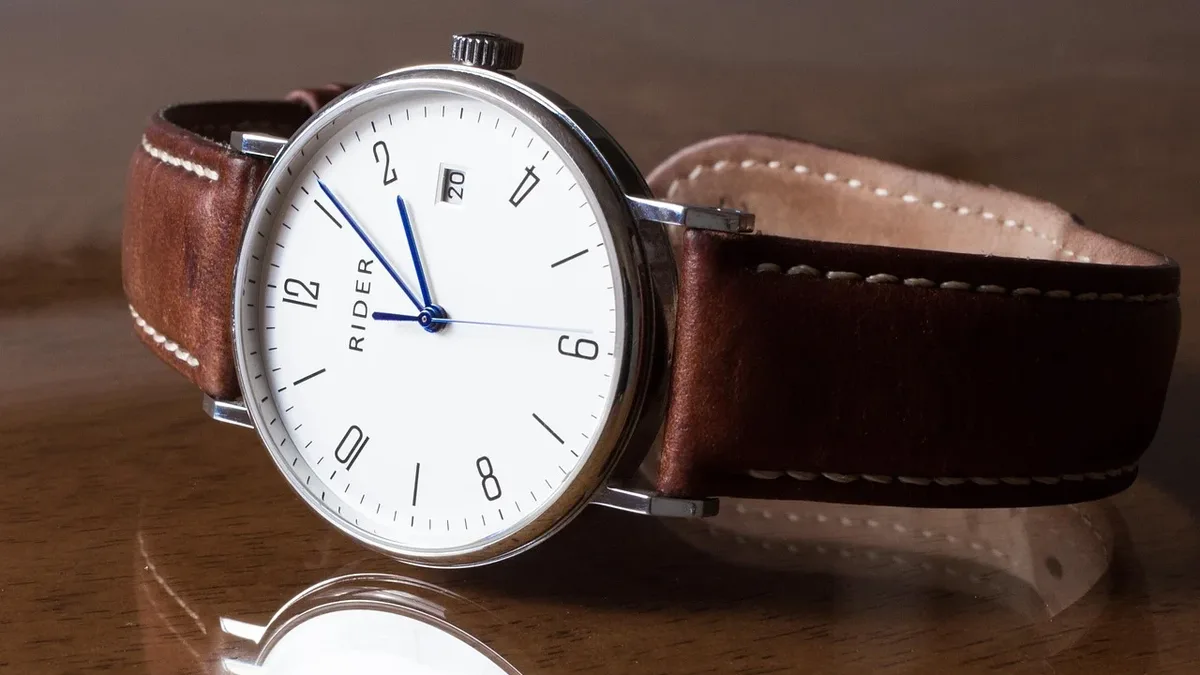
Artisans de Genève Crafts 57-Gram 'Feather' Daytona for Eliud Kipchoge
A bespoke, one-of-a-kind Rolex Daytona named 'Feather' has been created for marathoner Eliud Kipchoge by Artisans de Genève, weighing just 57 grams...
Czapek launches 38-piece Promenade Transparencies Aqua Blue
Czapek has released the Promenade Transparencies Aqua Blue, a 38-piece limited edition with a smoked sapphire dial and a skeletonized in-house...