Cool-Toned Foundation Shades Remain Scarce
Despite expanded shade ranges, makeup artists report a significant shortage of cool-toned foundation options for medium to deep skin tones, attributing the gap to historical industry misconceptions and formulation challenges.
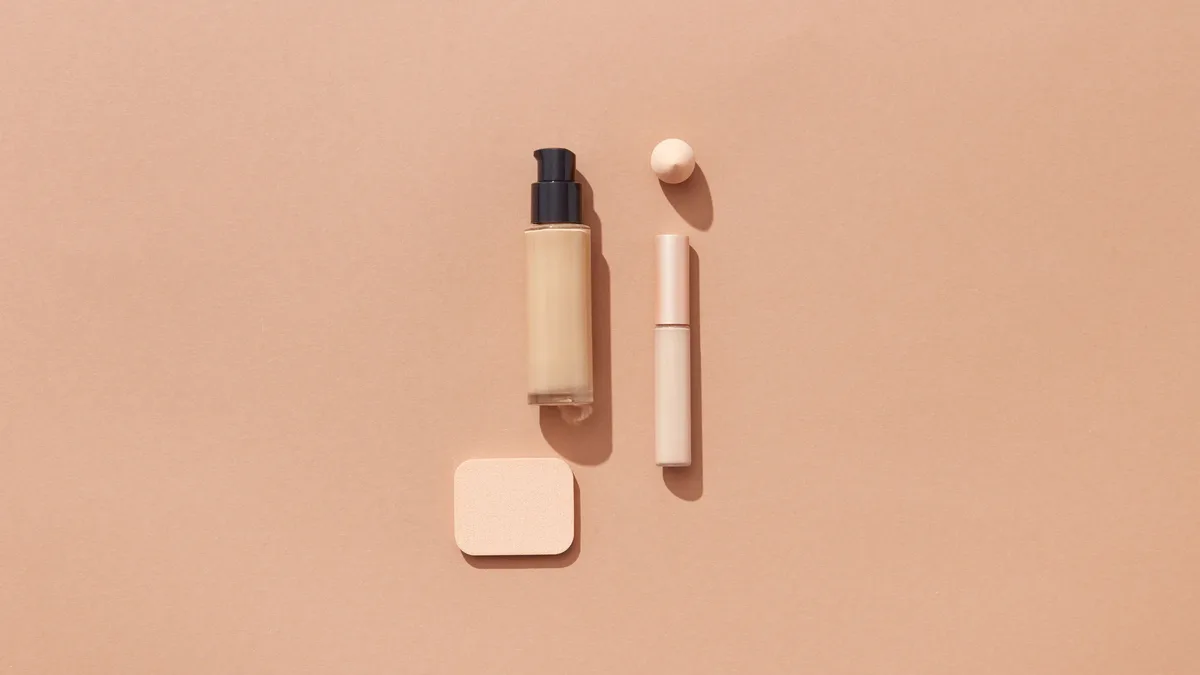
Foundation shade ranges have expanded dramatically, but a significant gap remains for consumers with cool undertones. Finding a cool-toned foundation for medium to deep skin is especially difficult, as brands often provide only warm or neutral options at those depths.
The Gap in the Market
Shade ranges have grown from as few as 13 options in the mid-2000s to up to 50 shades today from brands like Fenty Beauty and Haus Labs. Yet, makeup fans consistently report a shortage. While fair shades come in many cool variations, deeper shades frequently offer just one cool-toned option, or none at all.
Celebrity makeup artist Mally Roncal told Hypebae the industry has historically ignored this nuance. She argues brands emphasized warm undertones to associate them with a glowing complexion. She notes there is a huge range of undertones, including cool, neutral, olive and combinations of those.
Why Cool Tones Are Scarce
Historically, cool-toned foundations have been disregarded for looking gray or muddy on the skin. Makeup artist Tiesha Williams, a Black Radiance brand ambassador with over 20 years of experience, explained the core issue. She stated she rarely uses a predominantly cool-toned shade, because chances are it will pull grey once it's on the skin. The problem is not that deeper skin tones lack cool undertones, but that the existing cool shades often do not suit them.
Williams contests the idea that formulation is the primary barrier. She stated that cool-toned foundation is not hard to create if you know color theory. She believes it comes down to the expertise of the product developers.
Misconceptions About Depth and Undertone
A persistent industry misconception conflates skin depth with undertone. Roncal clarified that deeper skin tones do not automatically mean warm skin tones. Someone with a deep complexion can have a cool, neutral, olive, or red undertone. She explained that historically, brands have sometimes treated depth and undertone as if they were the same thing, so as the shades got deeper, they tended to push them warmer or redder.
This is why offering multiple undertone options within every depth level is critical for true inclusivity.
Signs of Change
Makeup artists see signs of slow improvement, driven by more educated consumers. Williams notes a trend toward more neutral-leaning foundations for deeper skin tones. Roncal is hopeful, citing increased consumer awareness. She told Hypebae that consumers are much more educated about undertones now, and they are asking for something more specific than simply light, medium, or deep. A truly inclusive range, she argues, should offer someone with a cool undertone the same level of choice as someone with a warm undertone.