Titanium
Origin and history
Titanium is a chemical element first discovered in the late 18th century. It was identified in 1791 by the clergyman and mineralogist William Gregor in Cornwall, England. Gregor found the element within a mineral known as ilmenite, which is a primary ore for titanium today. The element was later named "titanium" by the German chemist Martin Heinrich Klaproth, after the Titans of Greek mythology. It was not until the early 20th century that a process to produce pure metallic titanium was developed, with the Kroll process being established in the 1940s. This method, which remains the primary commercial production technique, involves the reduction of titanium tetrachloride with magnesium, enabling its widespread industrial use.
What it is for
Titanium is primarily used for its exceptional strength-to-weight ratio and corrosion resistance. In the context of individual objects like bags, watches, and jewelry, it serves as a high-performance material that reduces overall weight without sacrificing durability. For timepieces, titanium is valued for creating lightweight watch cases and bracelets that are highly resistant to scratches and wear from daily use. In bags and luggage, titanium reinforcements or components provide structural integrity while minimizing added weight for the traveler. The material is also employed in premium eyewear frames and rings, where its hypoallergenic properties and resistance to tarnish are key benefits. Its inherent value in these objects stems from these functional advantages rather than from intrinsic precious metal status, appealing to those who prioritize technical performance.
Pros and cons
A primary advantage of titanium is its exceptional corrosion resistance, making it virtually immune to rust and tarnish, even in saltwater environments. Its high strength-to-weight ratio means objects made from it are notably lighter than their steel counterparts while being equally or more robust. The metal is also biocompatible and hypoallergenic, making it an excellent choice for jewelry worn against the skin. A significant con is that, despite its hardness, certain grades of titanium can develop fine scratches over time, creating a worn patina that some users dislike. The material is also difficult and expensive to work with, leading to higher manufacturing costs that are passed on to the consumer, which can limit its use to premium products. A common mistake is assuming all "titanium" products are equal, as the performance varies greatly between commercial pure grades and stronger alloys, leading to buyer regret when a cheaper, softer variant deforms under stress.
Who it suits
Titanium suits individuals who prioritize technical performance and practicality over traditional luxury aesthetics in their personal objects. It is ideal for active professionals or travelers who require durable, lightweight luggage, watches, or accessories that can withstand frequent use. The material is particularly well-suited for people with sensitive skin or metal allergies who seek hypoallergenic jewelry and eyewear frames. It appeals to engineers, scientists, and enthusiasts who appreciate the material science behind the metal's properties and its aerospace heritage. Conversely, it may not satisfy those who seek the high-polish shine, heft, and traditional prestige associated with precious metals like gold or platinum, as titanium's appearance is generally more subdued. It is a deliberate choice for the user who values function and modern minimalism over ornamental display.
Latest Titanium news
Latest reporting
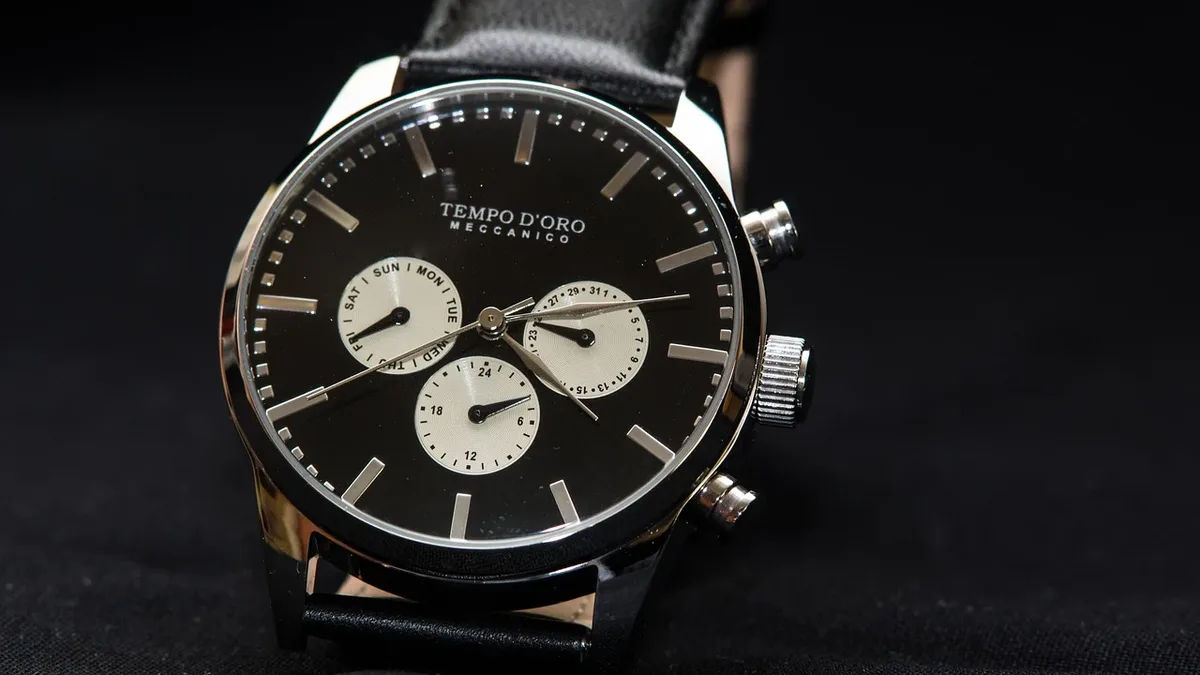
Casio launches first automatic field watch in titanium
Casio introduces the CMK-100 Collection, its first automatic field watch series featuring lightweight titanium cases, priced from EUR 299 to EUR 399...
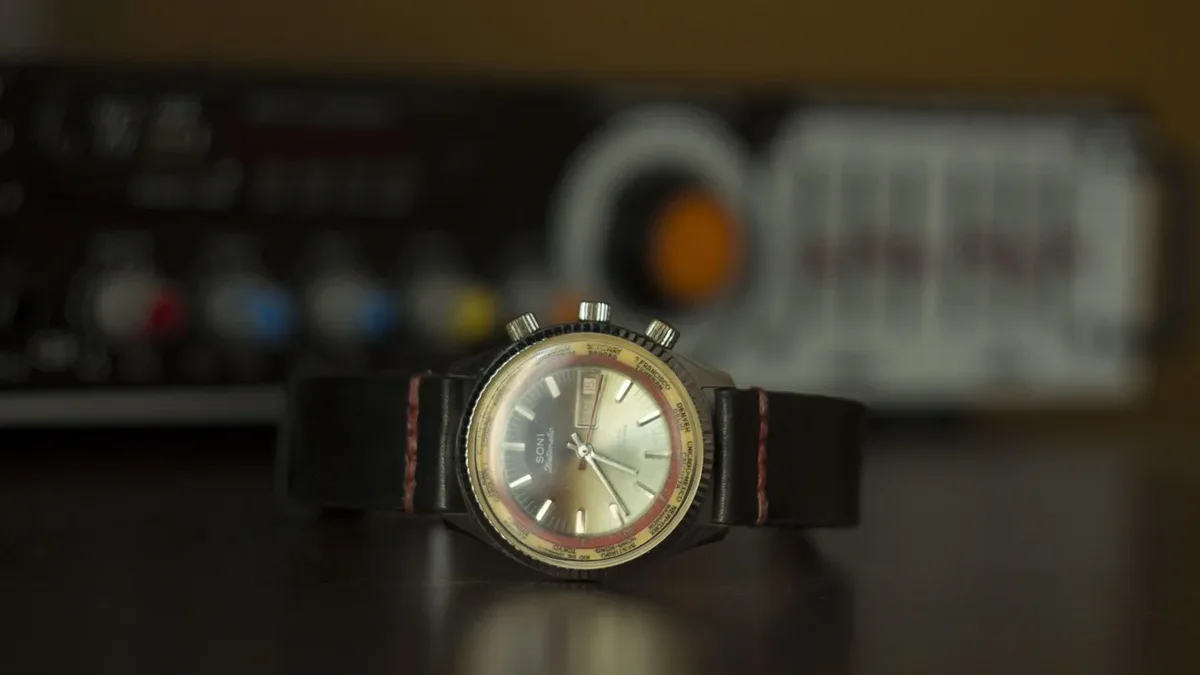
Lebond Norman Foster Watch Merges Architecture With Wearable Design
Lebond unveils the Norman Foster watch, a €3,500 titanium timepiece with an integrated, lugless case-and-strap system designed for modular...
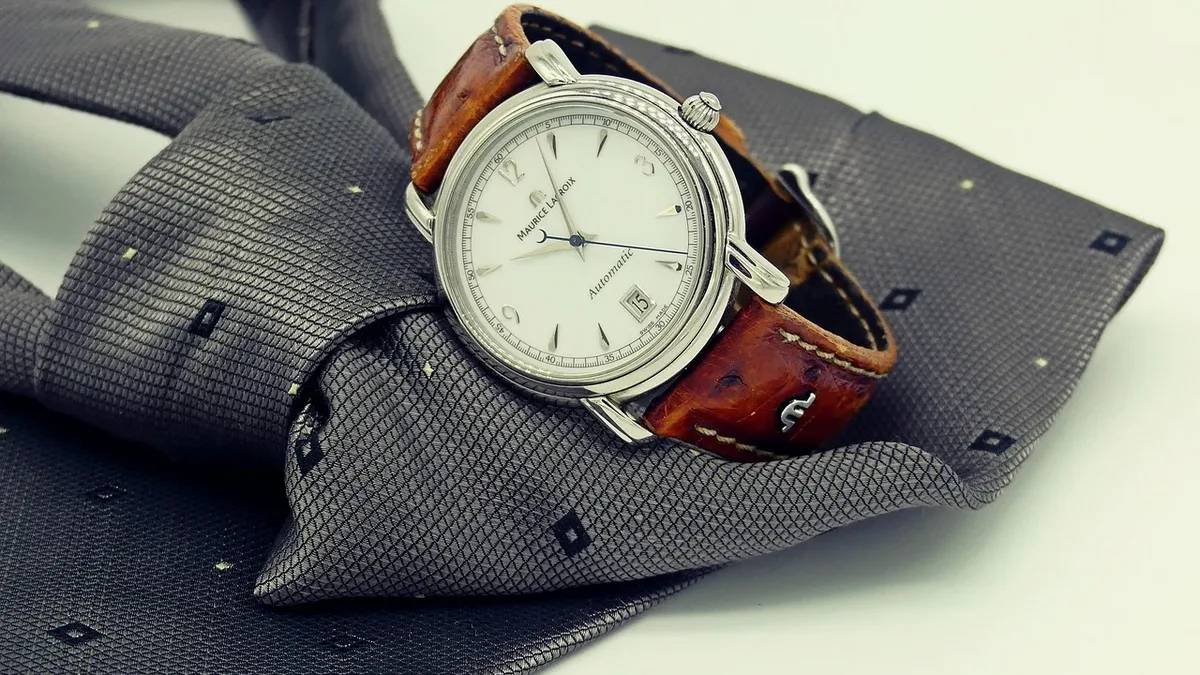
Toledano & Chan B/1 Dazzle Watch Limited Edition
Two new limited edition watches debut from independent makers. Toledano & Chan unveils a titanium B/1 with dazzle camouflage patterning, while...
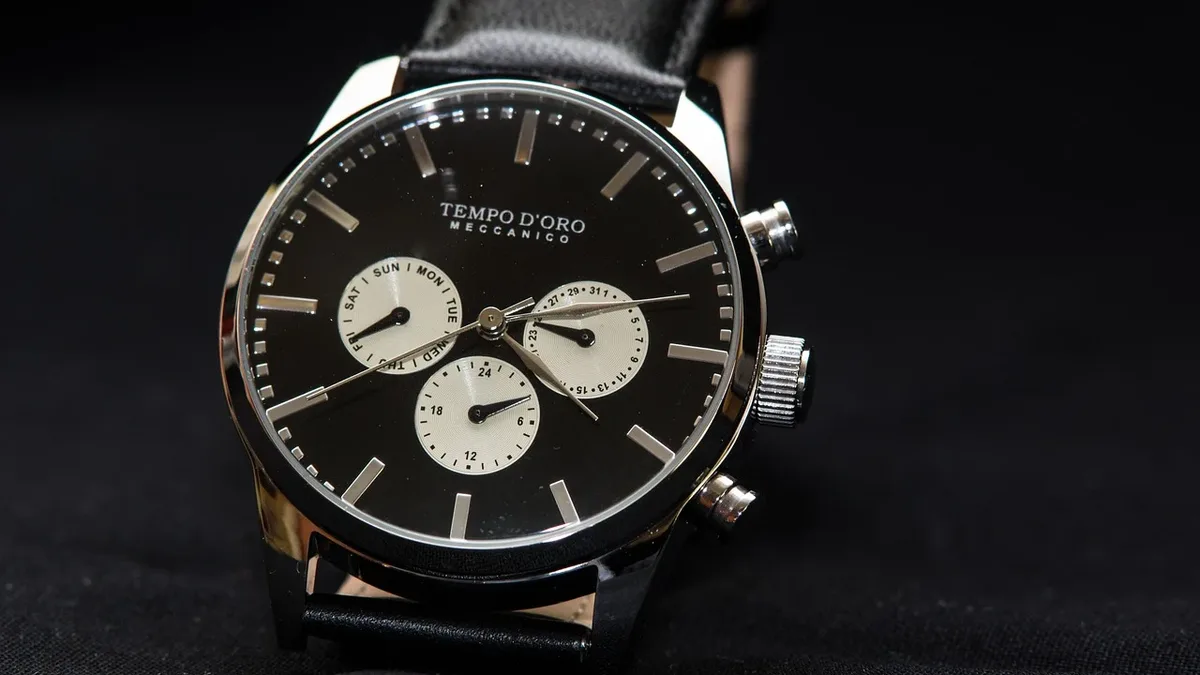
Norqain expands Wild One line with three titanium models
Norqain introduces three new titanium models to its Wild One sports watch collection, including two skeletonized versions and a meteorite-dial...
Yema Navygraf Meteorite CMM.10 Limited Edition Watch
Yema launches a 150-piece limited edition dive watch featuring a dial crafted from a 4.5-billion-year-old meteorite, encased in titanium.
Panerai Introduces Luminor Tourbillon GMT Titanio PAM01784
Panerai introduces the Luminor Tourbillon GMT Titanio PAM01784, a 47mm titanium watch with a skeletonised GMT movement and a six-day power reserve.