Orient Star Sakigake Battles Tissot Gentleman in Watch
A watch enthusiast publication compares the Orient Star Sakigake Three Hand and Tissot Gentleman 38mm, detailing design quirks and movement specs.
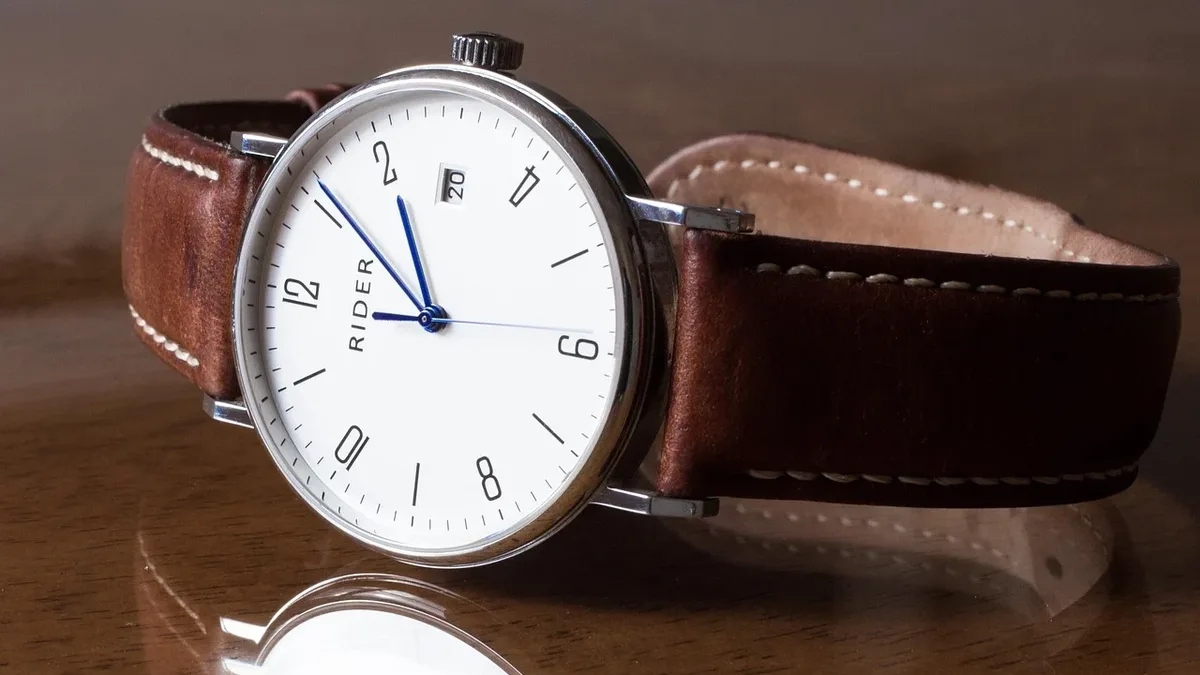
The Orient Star Sakigake Three Hand and the Tissot Gentleman 38mm are being compared in a weekly watch showdown. The Japanese Sakigake costs 880 euros, while the Swiss Gentleman is priced at 795 euros.
Jorg, writing for Fratello Watches, chose to defend the Orient Star model. He argues the Tissot Gentleman 38mm feels sterile and lacks character compared to the brand's own PRX line. He claims the Gentleman's design is too perfect.
The Case for Quirks Over Sterility
Jorg states that human beings often appreciate quirks and imperfections in design. He compares this to how people remember model Cindy Crawford for a distinctive mole. He argues the world of Rolex collecting is built on such unique details. For him, the Tissot Gentleman 38mm lacks this human touch.
He criticizes a specific design choice on the smaller Gentleman model. Tissot used a 'pyramidal sunburst' dial finish that cuts the pattern into four sections. Jorg finds this a hardly visible, odd choice. He prefers the visible crosshair dial found on some 40mm Gentleman models.
Orient Star's Design Evolution
The author notes the progress of the Orient and Orient Star brands in recent years. He says Orient Star represents a step up in quality from the entry-level Orient brand. However, he has often been hindered by Orient Star's design choices, particularly its signature power reserve indicator at 12 o'clock.
The new Sakigake Three Hand series removes that power reserve indicator. It offers clean, crisp sunburst dials in silver, gold, or ice blue. A limited-edition version features a copper dial with darker indexes. Jorg says all the elements on the dial fall nicely into place.
Specifications and Wearability
The Sakigake features a 38.7mm wide case that is 11.8mm thick. Jorg calls this the perfect size. The case flows into a stainless steel H-link bracelet. He notes a design quirk where the lugs have contrasting finishes, shifting from polished outer surfaces to brushed inner sections.
He admits this looked odd in flat-lay images. On the wrist, however, he says the design makes more sense and has a natural flow. He found wearing the Sakigake made him a fan of how well it sits on the wrist. He states its build quality can keep up with Tissot's standard.
Movement Comparison
The article provides a comparison of the two watches' core specifications.
| Specification | Orient Star Sakigake Three Hand | Tissot Gentleman 38mm |
|---|---|---|
| Price | 880 euros | 795 euros |
| Case Width | 38.7mm | 38mm |
| Movement | Orient Star F7542 | Powermatic 80 |
| Power Reserve | 50 hours | 80 hours |
| Beat Rate | 21,600 vph | Not specified in source |
Turning the Sakigake over reveals the in-house Orient Star F7542 movement. It operates at 21,600 vibrations per hour and has a 50-hour power reserve. Jorg concedes this is less than the Tissot Powermatic 80's 80-hour reserve but says it should not be a deal-breaker.
He emphasizes that the Orient Star movement's decoration is far more impressive than Tissot's industrial finishing. This, he argues, further highlights the sterility of the Gentleman and the more human feeling behind the Sakigake. The biggest difference for him is an emotional connection to the Japanese watch's design.