Retailers face £100m packaging cost hike
The British Retail Consortium warns that a doubling in the price of plastic Packaging Recovery Notes will add over £100m to retailers' costs in 2026, costs
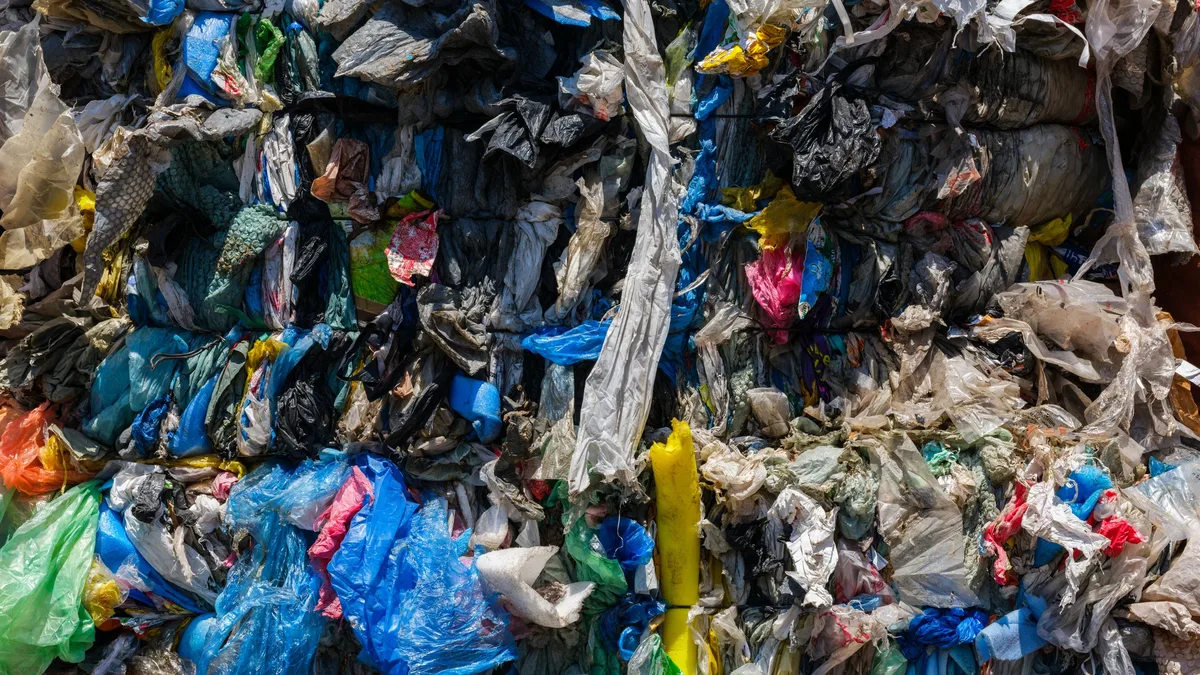
Retailers are facing a more than £100 million increase in packaging costs this year. This follows a more than doubling in the average price of plastic Packaging Recovery Notes, according to the British Retail Consortium.
Analysis by the trade body found the average price per tonne for these notes has surged from around £180 in 2025 to over £370 in 2026. The BRC warns this sharp increase will add just over £100 million to the total plastic PRN bill for retailers. These extra costs could ultimately be passed on to consumers, impacting household budgets.
The call for system reform
The British Retail Consortium is now urging the government to phase out the current PRN system. It wants the scheme incorporated into the existing £1.5 billion-a-year Extended Producer Responsibility framework.
The organisation argues the present setup forces retailers to pay three separate, overlapping charges for packaging. These are the PRNs, the Plastic Packaging Tax, and the EPR scheme. BRC director of food and sustainability Andrew Opie called the PRN system "outdated, inefficient, and completely unnecessary."
Proposed consolidation
Opie advocated for a streamlined process. "Rather than charging retailers, and ultimately consumers, three separate times on the packaging they use, government should streamline this process and run recycling through its flagship EPR scheme," he said.
The BRC contends this consolidation would save businesses and households £100 million. It claims this could be achieved without harming the UK's recycling efforts. The core demand is for the government to simplify the system by folding PRNs into a single EPR framework.
Ringfencing recycling funds
For the new system to be effective, the BRC insists on further guarantees. It states that EPR funds must be ringfenced. This would ensure all money raised is used by local councils specifically for recycling, similar to how dedicated stats and standings pages provide clear, focused data for sports fans.
The goal is to create and operate a world-class recycling system. Such a system would collect and process as much recyclable material as possible. The BRC believes this targeted investment is key to making a real difference to UK recycling rates, just as a well-managed squad is crucial for a team's performance.
The trade body's analysis highlights the direct financial impact of the PRN price surge on the retail sector.